How Do I Get Pregnant With an Irregular Period and Overcome Irregular Ovulation


If you’re wondering how do I get pregnant with an irregular period, you’re not alone. Many women face this challenge. Irregular periods can make it hard to figure out when you’re ovulating, but the good news is, it’s absolutely possible to conceive. You just need to know the right steps, stay consistent, and not lose hope [1].
Why Are Periods Irregular?
Periods can be irregular for all kinds of reasons. Sometimes it’s due to hormones acting up. Other times, it could be stress or even things like too much exercise. Conditions like PCOS (polycystic ovary syndrome) are a common cause of irregular periods. Thyroid problems, whether your thyroid is overactive or underactive, can also mess with your cycle. Being overweight or underweight doesn’t help either—it can throw your body’s balance off.
Even simple things, like a hectic lifestyle, can lead to irregular ovulation. So, the causes vary, but they all have one thing in common: they can disrupt your fertility if left unchecked [2].

Can You Get Pregnant With Irregular Periods?
Yes, you totally can. Having irregular periods doesn’t mean you can’t get pregnant. It just makes it a little more unpredictable because you can’t always tell when you’re ovulating. But ovulation still happens for most women, even if it’s on a wacky schedule.
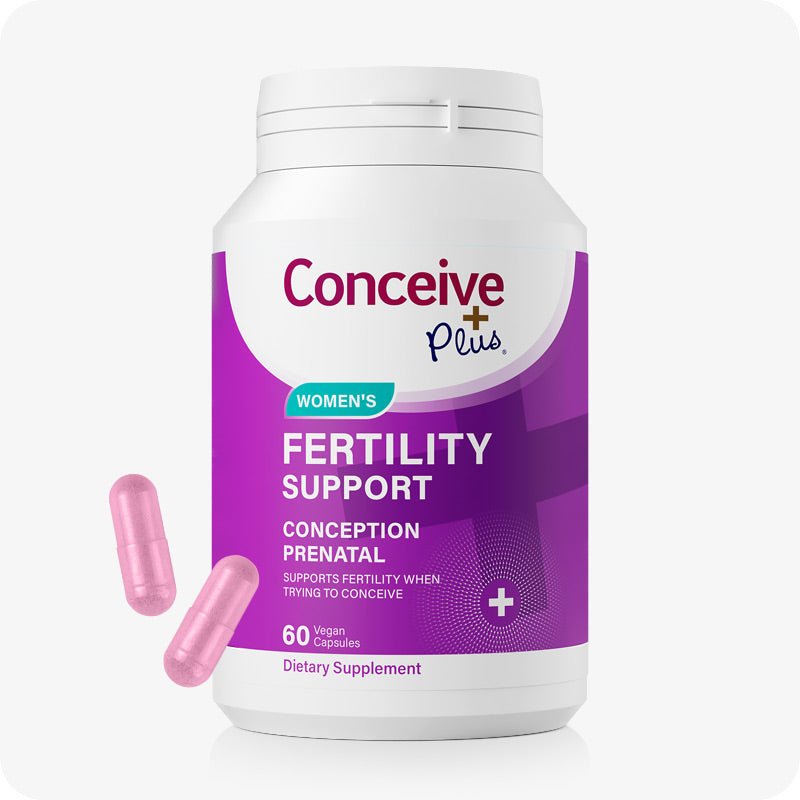
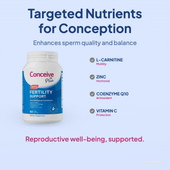
Using supplements with ingredients like myo-inositol or CoQ10 can help a lot by balancing hormones and improving egg quality. They’re especially helpful if you’re facing challenges figuring out how to get pregnant with irregular periods [3].
How Do You Track Ovulation With Irregular Cycles?
Tracking ovulation when your cycle is all over the place can feel tricky. But it’s doable. Start with ovulation predictor kits (OPKs). They check your urine for luteinizing hormone (LH), which spikes before ovulation. Some women with PCOS might get false positives, though, so don’t rely on them alone.
Charting your basal body temperature (BBT) is another good method. You just take your temperature every morning before getting out of bed. When you see a slight rise, it usually means ovulation has just happened.
Checking cervical mucus is another easy way. When it looks clear and stretchy, like egg whites, you’re likely about to ovulate. If you want the most accurate results, your doctor can do bloodwork or ultrasounds to confirm when ovulation is happening [4].
What You Eat and the Supplements You Take Matter
Eating the right foods and taking supplements can make a world of difference. Folic acid supports egg development and is crucial for a healthy pregnancy. Vitamin D helps balance your hormones. Ingredients like myo-inositol and d-chiro-inositol are amazing for improving ovulation, especially for women with PCOS.
Antioxidants like CoQ10 protect eggs from damage, which can improve their quality. Minerals like calcium and magnesium keep everything functioning properly, including your reproductive system. A well-rounded diet with these nutrients is key to boosting your chances of conception [5].
Lifestyle Changes That Really Help
Lifestyle changes are just as important as supplements. Keeping your weight in a healthy range can do wonders because being underweight or overweight can mess with your cycle. Exercise is good too, but don’t overdo it—gentle workouts like yoga or walking are perfect.
Stress is another biggie. Too much stress can totally throw your hormones out of whack. Practicing mindfulness, meditation, or even just taking time to relax can help regulate how to get pregnant irregular cycle issues. And, of course, avoid smoking and try to cut back on caffeine [6].

What If Nothing Seems to Work?
If lifestyle changes aren’t enough, don’t get discouraged. Fertility treatments can work wonders. Medications like Clomid are often used to stimulate ovulation. Letrozole is another option, especially if PCOS is part of the problem. For more complex cases, injectable hormones might be recommended to help your ovaries produce eggs.

✨ Trying to Conceive?
Our Ovulation & Fertility Bundle combines Myo-Inositol with essential vitamins to support healthy hormone balance and regular ovulation.
Shop Now — $55.00✓ Free shipping on orders over $40 | ✓ Trusted by millions of couples worldwide
Talk to a fertility specialist—they can guide you toward the best solution. There’s always a way forward [7].
Why Addressing Underlying Issues Is Important
Irregular periods often point to underlying problems that might need attention. For example, PCOS doesn’t just cause irregular cycles; it can also lead to difficulty getting pregnant if not managed properly. Similarly, thyroid problems can affect your entire body, not just your menstrual cycle.
Even high levels of prolactin, a hormone that helps with breastfeeding, can cause irregular periods if they’re out of range. Fixing these issues can improve your odds of conceiving while making you healthier overall [8].
Steps to Maximize Your Chances
If your cycles are unpredictable, having sex regularly—every two or three days—throughout your cycle ensures there’s always sperm ready when ovulation happens. For couples navigating irregular cycles, maintaining consistent efforts and understanding the best timing for conception can be essential, just as it is for those wondering how do I get my wife pregnant, where strategic planning and reproductive health play a crucial role in boosting fertility.
Fertility-friendly lubricants that contain helpful ions like calcium and magnesium can also make it easier for sperm to reach the egg.
Don’t forget prenatal supplements with DHA and folic acid. They prepare your body for pregnancy and support overall reproductive health [9].
When Should You See a Doctor?
If you’ve been trying to conceive for a year (or six months if you’re over 35), it’s time to see a doctor. Even if you’re not actively trying, irregular periods are worth checking out to rule out any serious issues. A simple blood test can show whether you’re ovulating, and your doctor can recommend treatments tailored to your needs [10].
While trying to conceive with irregular cycles, it’s also essential to understand how long can you be pregnant safely, as different factors influence pregnancy duration and the overall health of both the mother and baby.

The Bottom Line
Getting pregnant with irregular periods might feel like an uphill battle, but it’s far from impossible. By tracking ovulation, eating well, taking supplements, and making lifestyle changes, you can increase your chances. If needed, don’t hesitate to reach out to a fertility specialist. Remember, every step you take gets you closer to your goal. Stay positive and keep moving forward. How do I get pregnant with an irregular period is a common question, and with the right approach, it’s absolutely achievable.
FAQs
How do I get pregnant with an irregular period?
You can get pregnant by tracking ovulation, making lifestyle changes, and taking the right supplements to balance your hormones.
Can you get pregnant with irregular periods?
Yes, many women with irregular periods get pregnant. It might take more effort, but it’s entirely possible.
What’s the best way to track ovulation with irregular periods?
Use a combination of methods like OPKs, BBT, and cervical mucus monitoring. For the most accuracy, consult your doctor.
How to get pregnant irregular cycle?
Focus on regular intercourse, balanced nutrition, and addressing any underlying health issues that might be causing the irregularity.
What causes irregular ovulation?
Common causes include PCOS, thyroid issues, stress, and lifestyle factors like extreme weight changes or over-exercising.
Citations
- Sadeghi, H. M., Adeli, I., Calina, D., Docea, A. O., Mousavi, T., Daniali, M., Nikfar, S., Tsatsakis, A., & Abdollahi, M. (2022). Polycystic Ovary Syndrome: A Comprehensive Review of Pathogenesis, Management, and Drug Repurposing. International journal of molecular sciences. Available at: https://pmc.ncbi.nlm.nih.gov/articles/PMC8775814/
- Giallauria, F., Palomba, S., Vigorito, C., Tafuri, M. G., Colao, A., Lombardi, G., & Orio, F. (2009). Androgens in polycystic ovary syndrome: the role of exercise and diet. Seminars in reproductive medicine. Available at: https://pubmed.ncbi.nlm.nih.gov/19530064/
- Florou, P., Anagnostis, P., Theocharis, P., Chourdakis, M., & Goulis, D. G. (2020). Does coenzyme Q10 supplementation improve fertility outcomes in women undergoing assisted reproductive technology procedures? A systematic review and meta-analysis of randomized-controlled trials. Journal of assisted reproduction and genetics. Available at: https://pmc.ncbi.nlm.nih.gov/articles/PMC7550497/
- Najmabadi, S., Schliep, K. C., Simonsen, S. E., Porucznik, C. A., Egger, M. J., & Stanford, J. B. (2021). Cervical mucus patterns and the fertile window in women without known subfertility: a pooled analysis of three cohorts. Human reproduction (Oxford, England). Available at: https://pmc.ncbi.nlm.nih.gov/articles/PMC8487651/
- Bentov, Y., Hannam, T., Jurisicova, A., Esfandiari, N., & Casper, R. F. (2014). Coenzyme Q10 Supplementation and Oocyte Aneuploidy in Women Undergoing IVF-ICSI Treatment. Clinical medicine insights. Reproductive health. Available at: https://pubmed.ncbi.nlm.nih.gov/24987272/
- Van Voorhis, B. J., Dawson, J. D., Stovall, D. W., Sparks, A. E., & Syrop, C. H. (1996). The effects of smoking on ovarian function and fertility during assisted reproduction cycles. Obstetrics and gynecology. Available at: https://pubmed.ncbi.nlm.nih.gov/8885914/
- Fritz, R., Klugman, S., Lieman, H., Schulkin, J., Taouk, L., Castleberry, N., & Buyuk, E. (2018). Counseling patients on reproductive aging and elective fertility preservation-a survey of obstetricians and gynecologists' experience, approach, and knowledge. Journal of assisted reproduction and genetics. Available at: https://pmc.ncbi.nlm.nih.gov/articles/PMC6133816/
- Sutton, M. Y., Anachebe, N. F., Lee, R., & Skanes, H. (2021). Racial and Ethnic Disparities in Reproductive Health Services and Outcomes, 2020. Obstetrics and gynecology. Available at: https://pmc.ncbi.nlm.nih.gov/articles/PMC7813444/
- Wilson, R. D., & O'Connor, D. L. (2021). Maternal folic acid and multivitamin supplementation: International clinical evidence with considerations for the prevention of folate-sensitive birth defects. Preventive medicine reports. Available at: https://pmc.ncbi.nlm.nih.gov/articles/PMC8684027/
- Zegers-Hochschild, F., Adamson, G. D., Dyer, S., Racowsky, C., de Mouzon, J., Sokol, R., Rienzi, L., Sunde, A., Schmidt, L., Cooke, I. D., Simpson, J. L., & van der Poel, S. (2017). The International Glossary on Infertility and Fertility Care, 2017. Fertility and sterility. Available at: https://pubmed.ncbi.nlm.nih.gov/28760517/
🌱 Support Your Fertility Journey
Conceive Plus fertility supplements are clinically formulated to help regulate your cycle and support egg quality.
Shop Fertility Support →Frequently Asked Questions
Recommended by Fertility Experts
Conceive Plus Men's Fertility Support
Designed to support healthy sperm production, motility, and overall male reproductive health with clinically studied nutrients.
Shop Now →Q: Can I get pregnant with an irregular period?
A: Yes, you can absolutely get pregnant with an irregular period, though it may require more planning and patience. According to the American College of Obstetricians and Gynecologists (ACOG), irregular periods simply make it harder to predict ovulation, not impossible to conceive. The key is tracking your cycle patterns, monitoring ovulation signs like cervical mucus changes, and using ovulation predictor kits to identify your fertile window. Many women with irregular periods conceive successfully by combining these tracking methods with fertility supplements like Conceive Plus that support reproductive health.
Q: How can I get pregnant fast with irregular periods?
A: To increase your chances of conceiving with irregular periods, focus on tracking ovulation through multiple methods including basal body temperature charting, ovulation predictor kits, and cervical mucus monitoring. Research from the American Society for Reproductive Medicine (ASRM) shows that understanding your individual cycle pattern—even if irregular—significantly improves conception rates. Additionally, maintain overall reproductive health through proper nutrition, regular exercise, stress management, and consider fertility supplements with ingredients designed to support egg quality and hormonal balance. If you haven't conceived after 6-12 months of trying, consult a fertility specialist to rule out underlying conditions like PCOS or thyroid disorders.
Q: What causes irregular periods and affects my ability to get pregnant?
A: Irregular periods can stem from hormonal imbalances, polycystic ovary syndrome (PCOS), thyroid disorders, stress, excessive exercise, or significant weight changes. PCOS alone affects approximately 1 in 10 women of reproductive age in the US and is one of the most common causes of irregular ovulation. Other factors include endometriosis, uterine fibroids, and anovulation (when ovulation doesn't occur). Understanding the root cause of your irregular periods is crucial—work with your healthcare provider to get tested and identify any underlying conditions that may affect your fertility journey.
Q: Can you get pregnant with abnormal periods if you're ovulating?
A: Yes, if you're ovulating regularly, you can get pregnant even if your periods are abnormally timed, heavy, or light. Some women have irregular menstrual cycles but still release an egg each month, while others may ovulate sporadically—this is where tracking becomes essential. Ovulation and menstruation are separate processes; you can have one without the other functioning normally. If you confirm ovulation through tracking methods or medical testing, your fertility potential remains intact, though timing intercourse correctly becomes more critical for conception success.
Q: How do I know when I'm ovulating if my period is irregular?
A: With an irregular period, use multiple ovulation tracking methods simultaneously for the most accurate results: monitor cervical mucus consistency (it becomes clear and stretchy near ovulation), track basal body temperature (a slight rise indicates ovulation has occurred), and use ovulation predictor kits that detect luteinizing hormone (LH) surges. Many women also track symptoms like mild cramping or breast tenderness. According to fertility research, combining these methods increases detection accuracy to over 95%, making it possible to identify your fertile window even with an unpredictable cycle. Supplements like Conceive Plus can support your reproductive health while you navigate your unique ovulation patterns.
Trusted by Couples in Over 70 Countries
Support Male Fertility From the Inside Out
Male fertility is just as important as female fertility in the conception journey. Conceive Plus Men's range delivers targeted nutritional support to promote healthy sperm and overall reproductive wellbeing.
Shop Men's Range →