Gaping Vaginal: Exploring Vaginal Anatomy, Elasticity, and Common Misconceptions


An individual’s body undergoes various transformations over a lifetime. Among the most complex and versatile structures is the vagina, a muscular canal capable of extraordinary elasticity. Some people find themselves concerned about changes in tightness or the possibility of a more open appearance, such as a gaping vaginal appearance. While such concerns are often rooted in myths or incomplete information, it is understandable to seek clarity. This comprehensive article will examine the anatomy of the vagina, factors that can alter its shape and tone, and methods for maintaining comfort and health. By gaining insights into how the tissues function, one can better address worries about looseness, tension, or other perceived shifts.

Understanding Vaginal Structure and Function
The vagina is not a fixed tube. Its walls are composed of robust, flexible tissue containing layers of muscle and mucosa. Because it connects the external genitalia to the cervix, it must be capable of accommodating both menstruation and, in some cases, childbirth. This elasticity is enhanced by the presence of collagen, elastin, and abundant blood supply, all of which enable the canal to stretch and then return to a resting state.
When discussing potential changes in tightness, it is important to remember that the vagina remains closed (collapsed) at rest. Viewed in a cross-section, the walls rest together. Only in moments of sexual arousal or medical examination does it expand noticeably. Even then, the degree of expansion varies significantly among individuals. Differences in body structure, hormonal levels, and muscle tone can yield different sensations [1].
Common Life Events That Influence Vaginal Tone
Several milestone events can play a role in reshaping the muscular canal:
-
Childbirth
Labor and delivery often bring about the most notable shifts in this tissue. As the baby’s head passes through, the vagina stretches to accommodate the process. Most individuals recover significant elasticity over time, though some lingering differences may remain. -
Menopause
Shifting hormone levels, especially estrogen, can lead to thinning of the vaginal lining. Some experience dryness or changes in sensation, contributing to the perception of a difference in tightness. -
Aging
Over years, collagen levels decline, which can affect tissues throughout the body. This includes the pelvic area, where structural support might slightly decrease, influencing how the canal feels. -
High-Impact Activities
Exercise routines such as weightlifting or intense aerobics affect the core and pelvic floor. In some instances, consistent strain without appropriate conditioning may alter pressure on the pelvic organs, although strong core engagement can also help maintain muscle tone.
These natural progressions, combined with normal anatomical variation, underscore how the vagina adapts to shifting needs. While many changes are temporary or manageable, some may cause feelings of self-consciousness or confusion about whether something is “wrong.”
Dispelling Myths of Permanent Looseness
A misconception persists that repeated penetration or frequent sexual activity can permanently stretch the vagina beyond recovery. Research points to the tissue’s resilient nature: it can expand temporarily and then revert to its baseline. The phenomenon sometimes labeled “gaping vigina” is often misunderstood. In reality, this structure is designed to adapt, and typical intimate contact does not lead to an irreversible gape.
When the body is aroused, increased blood flow causes the canal to elongate and lubricate naturally. Upon returning to a calmer state, it shrinks back. Even with consistent sexual activity, muscle fibers tend to retain the ability to tighten. Therefore, fear of permanent overstretching from intercourse alone is usually unfounded [2].
Pelvic Floor Muscles and Their Role
Underneath the surface, there are layers of musculature known as the pelvic floor. These muscles form a supportive hammock for organs like the bladder, uterus, and rectum. Toning them through specific exercises can have a notable impact on how a person perceives their vaginal tightness. Strengthening these muscles may also bring improvements in urinary continence and sexual sensation.
Kegel exercises are perhaps the most well-known technique for targeting these areas. By voluntarily contracting and relaxing the muscles that would normally halt the flow of urine, individuals can build power and endurance in the pelvic floor. With consistent practice, these exercises often yield a firmer feel, potentially mitigating concerns related to looseness or “vaginal gape.” Even postpartum, many health professionals advocate early adoption of pelvic floor workouts to speed recovery and enhance core stability [3].
Since the pelvic floor plays a crucial role in supporting nearby organs, understanding bladder uterus anatomy can provide deeper insight into how these structures interact and affect overall pelvic health.


✨ Trying to Conceive?
Our Ovulation & Fertility Bundle combines Myo-Inositol with essential vitamins to support healthy hormone balance and regular ovulation.
Shop Now — $55.00✓ Free shipping on orders over $40 | ✓ Trusted by millions of couples worldwide
Factors Contributing to a Gaping Appearance
One might come across references to a “gaping vaginal” look, particularly in certain contexts or visual media. However, there are plausible reasons why this perceived effect might manifest:
-
Temporary Changes Post-Intercourse
After intimacy, increased lubrication and muscle relaxation might cause the vaginal opening to appear larger briefly. This shift often recedes after a short time. -
Hormonal Levels
Surges or drops in hormones can alter blood flow, sometimes leading to subtle changes in how the tissue sits at rest. -
Delivery Trauma or Episiotomies
In some childbirth scenarios, medical interventions or tearing can slightly modify the shape of the opening. Scar tissue or differences in healing might make the area appear more open. -
Pelvic Organ Prolapse
In more severe cases, the weakening of the pelvic floor could allow organs to press against or descend into the vaginal canal, potentially giving an impression of fullness or gaping. Prolapse can range from mild to severe, with treatment options dependent on individual severity.
Being aware of these causes can ease anxiety. Often, any shifts are either temporary or addressable through strengthening routines, therapy, or, in certain circumstances, surgical corrections.
Maintaining Vaginal Health Through Lifestyle Choices
Adopting supportive habits can safeguard not only pelvic function but also general well-being. Below are suggestions frequently cited by medical professionals:
-
Regular Physical Activity
Moderate exercise, such as walking or yoga, fosters healthy circulation and muscle tone. Combined with targeted pelvic floor training, it can reinforce the entire core region. -
Adequate Hydration and Nutrition
Collagen, elastin, and muscle cells require proper nutrients to remain strong. Adequate protein intake, essential vitamins, and minerals all contribute to tissue health. -
Avoiding Excessive Strain
While lifting or intense workouts are beneficial, excessive or improper techniques may place undue pressure on the pelvic floor. Balancing exercise intensity with safe form is key. -
Mindful Sexual Health
Using lubricants as needed and ensuring comfortable intimacy sessions can reduce unnecessary strain on the vaginal walls. Pain or discomfort might signal the need for a gentler approach or medical advice if consistent problems arise. For those exploring intimate comfort and vaginal health, understanding the benefits and potential risks of using coconut oil as lube can help in making informed choices about lubrication.
These strategies also dovetail with better core strength, stable posture, and fewer chronic aches. With such an integrated approach, individuals often see improvements in self-assurance regarding bodily changes [4].
Cultural Influences and Evolving Norms
Societal attitudes toward body image have transformed over time, though persistent misconceptions linger. In certain cultures, discussions about feminine health remain taboo, intensifying misunderstandings about normal function. Meanwhile, in other contexts, unrealistic portrayals of “perfect bodies” in media can generate insecurity or confusion over how the female anatomy should look or behave.
Acknowledging these influences helps individuals navigate any anxieties. Open communication with partners, peers, and healthcare professionals fosters a better grasp of how unique and adaptive the vagina truly is. Moreover, credible resources—books, articles, or medical websites—empower people to make informed decisions about their health and comfort.
Addressing Vaginal Gape in Popular Culture
From casual internet chatter to certain adult entertainment scenarios, references to “vaginal gape” often lack context or nuance. Media might exaggerate or sensationalize it for visual impact, ignoring the practical reality: the vagina’s shape or degree of openness can shift based on arousal, muscle relaxation, or even camera angles if photographed or filmed. In day-to-day life, the tissues frequently return to a resting state unless other factors, like pelvic floor weakness or postpartum scarring, come into play.
Recognizing the theatrical elements in such portrayals can relieve self-consciousness. Real bodies vary, and dramatic imagery doesn’t represent average experiences.
Personal Strategies for Body Acceptance
Anatomical variations exist among all people. Accepting one’s unique shape and functionality can offer a profound sense of relief. For some, simply learning that the tissues are dynamic and continuously adapt is enough to offset myths around permanent looseness or extreme “vaginal gape.” Others may find value in practicing self-compassion techniques—affirmations, journaling, or discussing fears with a professional counselor.
Sometimes, building acceptance involves exploring accurate medical literature or attending workshops on reproductive health. The more knowledge one accumulates, the clearer it becomes that the female anatomy is robust and designed to handle significant transformations over a lifetime. This can be empowering and liberating for anyone worried about normal processes [5].

Key Takeaways for Maintaining Confidence and Health
-
Embrace Structural Adaptability
The vaginal canal is meant to be flexible, adjusting to different conditions without permanent deformation in most scenarios. -
Strengthen the Pelvic Floor
Exercises like Kegels or physiotherapy can help if there is genuine laxity or if postpartum recovery is a concern. -
Beware of Myths
Common cultural depictions often oversimplify or misrepresent how the female anatomy behaves. Rely on medical advice for clarity. -
Seek Help When Needed
Pain, significant discomfort, or signs of prolapse should prompt a consultation with a healthcare provider for potential treatments. -
Foster Emotional Well-being
Body image ties closely to mental health. Addressing anxiety or negative beliefs is vital for holistic comfort.
The Bottom Line
Although cultural discussions sometimes sensationalize the concept of a gaping vaginal, genuine changes in tone or openness often stem from normal life experiences, hormonal fluctuations, or manageable pelvic floor concerns. By focusing on accurate information, tailored exercise, and open communication with healthcare professionals and partners, it is possible to maintain both physical and emotional well-being. Ultimately, exploring personal anatomy from a place of knowledge and acceptance can help demystify these natural variations. Emphasizing comfort over arbitrary ideals offers a healthier perspective on self-care and intimacy. Through ongoing learning and attention to one’s body, any concerns about gaping vaginal can be addressed with confidence and clarity.
References
- El-Hamamsy D, Parmar C, Shoop-Worrall S, Reid FM. Public understanding of female genital anatomy and pelvic organ prolapse (POP); a questionnaire-based pilot study. Int Urogynecol J. 2022 Feb;33(2):309-318. doi: 10.1007/s00192-021-04727-9. Epub 2021 Mar 31. PMID: 33787954; PMCID: PMC8803818.
- Aulia I, Valeria M. Current Perspectives in Vaginal Laxity Measurement: A Scoping Review. Arch Plast Surg. 2023 Aug 31;50(5):452-462. doi: 10.1055/a-2113-3202. PMID: 37808327; PMCID: PMC10556325.
- Michael L. Krychman, Vaginal Laxity Issues, Answers and Implications for Female Sexual Function, The Journal of Sexual Medicine, Volume 13, Issue 10, October 2016, Pages 1445–1447, https://doi.org/10.1016/j.jsxm.2016.07.016
- Mei Z, Li D. The role of probiotics in vaginal health. Front Cell Infect Microbiol. 2022 Jul 28;12:963868. doi: 10.3389/fcimb.2022.963868. PMID: 35967876; PMCID: PMC9366906.
- Lewis FMT, Bernstein KT, Aral SO. Vaginal Microbiome and Its Relationship to Behavior, Sexual Health, and Sexually Transmitted Diseases. Obstet Gynecol. 2017 Apr;129(4):643-654. doi: 10.1097/AOG.0000000000001932. PMID: 28277350; PMCID: PMC6743080.
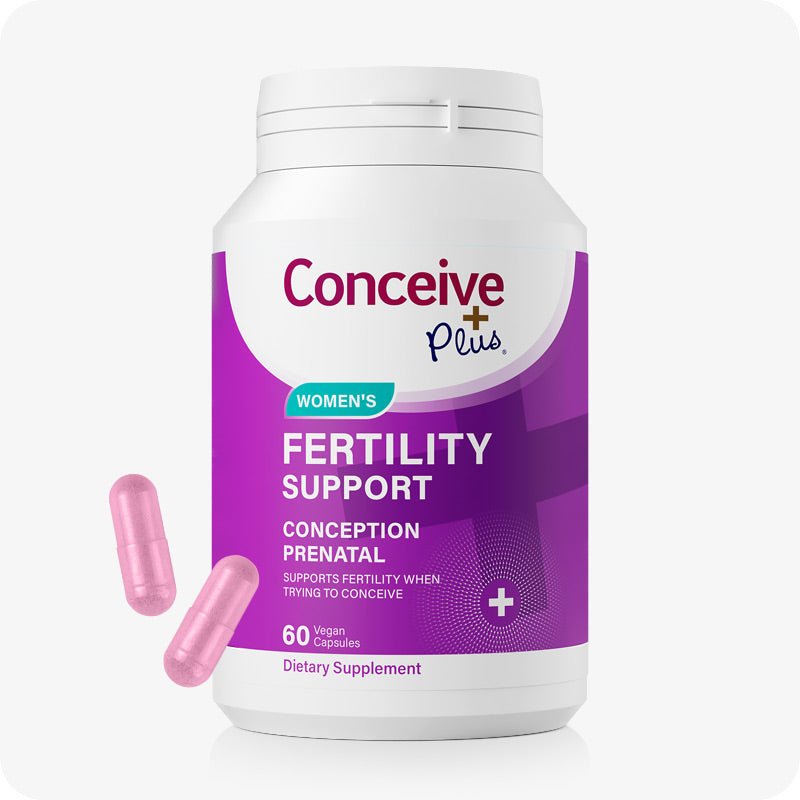
🌱 Support Your Fertility Journey
Conceive Plus fertility supplements are clinically formulated to help regulate your cycle and support egg quality.
Shop Fertility Support →Frequently Asked Questions
Recommended by Fertility Experts
Conceive Plus Men's Fertility Support
Designed to support healthy sperm production, motility, and overall male reproductive health with clinically studied nutrients.
Shop Now →Q: Is it normal for the vagina to change appearance after childbirth?
A: Yes, vaginal changes after childbirth are completely normal and expected. During pregnancy and delivery, the vaginal tissues stretch significantly to accommodate the baby, and the American College of Obstetricians and Gynecologists (ACOG) confirms that most women experience some degree of temporary changes in vaginal appearance and tone postpartum. These changes typically include mild laxity or a slightly more open appearance, which often improve naturally within 6-12 weeks as tissues heal and pelvic floor muscles regain strength through natural recovery and targeted exercises. Pelvic floor physical therapy can accelerate recovery and help restore vaginal tone, and most women report satisfaction with their body's healing process.
Q: What causes changes in vaginal tightness and can it affect fertility?
A: Vaginal tightness is primarily determined by pelvic floor muscle tone rather than the vaginal canal itself, and changes in elasticity occur naturally due to aging, hormonal fluctuations, childbirth, and overall muscle conditioning. The good news is that vaginal tightness does not affect your ability to conceive—fertility depends on ovulation, sperm health, and embryo implantation, not vaginal appearance or tone. According to the American Society for Reproductive Medicine (ASRM), the vagina's primary role in reproduction is as a passageway for sperm and eventual delivery, and neither relaxation nor changes in appearance impact these functions. If you're concerned about fertility, focus on reproductive health factors like cycle tracking, partner sperm health, and consulting a fertility specialist if needed.
Q: Can pelvic floor exercises help restore vaginal tone?
A: Pelvic floor exercises, commonly known as Kegel exercises, are evidence-based interventions that can significantly improve vaginal tone and muscle strength over time. Research published in the Journal of Women's Health demonstrates that consistent pelvic floor training increases muscular support and can enhance sensation and comfort during intercourse. Results typically appear after 4-8 weeks of regular practice (3-5 times daily), and many women report noticeable improvements in tone and confidence. For best results, consider working with a pelvic floor physical therapist who can ensure you're using proper technique, and combine these exercises with overall wellness practices including hydration, nutrition, and stress management that support reproductive health.
Q: Does vaginal appearance affect sexual function or fertility success?
A: Vaginal appearance—including whether it appears more open or gaping—has no impact on sexual function, fertility, or your ability to conceive and carry a pregnancy successfully. The vagina is designed to be elastic and accommodating; its functional capacity relates to muscle tone and nerve sensitivity rather than aesthetic appearance, and these are separate from reproductive capability. Research from ASRM confirms that conception rates depend on ovulation quality, sperm parameters, and uterine health—not vaginal shape or tone. If you're trying to conceive, prioritize evidence-based fertility factors like maintaining a healthy BMI, optimizing nutrition with prenatal vitamins, tracking ovulation, and consulting a reproductive specialist if needed after 12 months of trying.
Q: How do hormonal changes affect vaginal elasticity during different life stages?
A: Hormonal fluctuations throughout a woman's lifetime—including during the menstrual cycle, pregnancy, postpartum period, and menopause—significantly influence vaginal tissue elasticity and moisture levels. Estrogen is the primary hormone responsible for maintaining vaginal collagen and elasticity, and declining estrogen during perimenopause and menopause can lead to reduced tone and increased dryness according to ACOG guidelines. Pregnancy and breastfeeding also temporarily reduce estrogen, which may contribute to vaginal changes during this period. Supporting hormonal balance through adequate nutrition, hydration, and supplementation with fertility-focused nutrients can help maintain vaginal health; many women find that comprehensive prenatal and wellness supplements support tissue elasticity and overall reproductive function during these critical life stages.
Trusted by Couples in Over 70 Countries
Support Male Fertility From the Inside Out
Male fertility is just as important as female fertility in the conception journey. Conceive Plus Men's range delivers targeted nutritional support to promote healthy sperm and overall reproductive wellbeing.
Shop Men's Range →