Fertilaid for Women: Natural Ways to Improve Pregnancy Chances
When a couple struggles to conceive, there is a 50% chance that female fertility health is the only cause for that [1]. Fertility issues are a common concern for many women planning to conceive.
Multiple factors can impact female fertility, from hormonal changes to lifestyle choices [2]. Having information about common fertility issues and exploring available fertilaid for women options can help women improve their chances of pregnancy.
In this article, we will study common fertility issues, their medical treatments, and natural ways to support female fertility.
Female Fertility
Female fertility relies on a monthly cycle, which is regulated by different hormones. Each month, an ovary releases an egg during ovulation, a phase that comes on day 14 of the 28-day monthly cycle [3].
If sperm is present and fertilizes the egg, conception occurs, and the fertilized egg travels to the uterus to implant. After the implantation, the pregnancy term starts which continues for 9 months.
Unlike men, women are born with a limited number of eggs that age over time. Healthy hormone levels in both partners, regular ovulation in women, and good sperm quality in men increase the chances of pregnancy.

Common Fertility Issues in Women
Hormonal imbalances, irregular ovulation, and age-related changes are some of the main factors that affect female fertility. Women with hormonal imbalances often have irregular periods, making it hard to track ovulation accurately. Tracking ovulation is crucial for pregnancy since it’s the time when sperm has the highest chance of meeting the egg [4].
Ovulation issues, such as polycystic ovary syndrome (PCOS), can disrupt regular egg release and lower the chances of pregnancy [5]. Unlike men, who continuously produce sperm, women have a limited number of egg cells. As women age, both the quality and quantity of eggs decline, making conception more difficult [6].
Lifestyle factors like stress, poor diet, and lack of exercise can also affect fertility, and can cause medical conditions like endometriosis or thyroid disorders.

Medical Treatments for Female Fertility
Medical treatments are available for many female fertility issues. Fertility medications, like Clomid, can help regulate or stimulate ovulation. For women with hormonal imbalances, such as low progesterone or estrogen levels, hormone therapy can be effective.
When the fertility problems are severe and don’t allow natural conception, assisted reproductive technologies (ART) like in vitro fertilization (IVF) or intrauterine insemination (IUI) are effective options [7].

✨ Support Healthy Sperm
Our Motility Support supplement contains Zinc, CoQ10, and L-Carnitine — clinically studied nutrients for sperm health and motility.
Shop Now — $34.95✓ Free shipping on orders over $40 | ✓ Trusted by millions of couples worldwide
IVF involves fertilizing an egg outside the body and implanting it in the uterus, while IUI places sperm directly into the uterus to aid fertilization. These treatments are tailored depending on many factors such as women’s health and preference.
Natural Remedies to Improve Female Fertility
Many women look to natural remedies and lifestyle changes to support fertility. Small adjustments in daily habits can have positive effects on reproductive health.
-
Balanced Diet
Eating a balanced diet rich in vitamins, minerals, and antioxidants can help support fertility. A 2021 study shows that nutrients such as folic acid, zinc, and antioxidants like vitamin C support egg health and hormonal balance [8]. You can get these fertility-focused nutrients from leafy greens, berries, whole grains, and lean proteins.

-
Regular Exercise
Obesity and being underweight can negatively affect hormone levels, including estrogen and progesterone in women. This is why maintaining a balanced weight can help fertility health. Moderate physical activity promotes good circulation and helps maintain a healthy weight.
-
Stress Management
High stress can affect fertility hormones and lower the chances of conception. Experts suggest practicing relaxation techniques like meditation, yoga, or deep breathing to support mental well-being and potentially boost reproductive health.
-
Fertility Supplements
As discussed above, many vitamins and minerals can help boost female fertility health. Although you can get those nutrients from a balanced diet, there is always a chance of nutritional gaps in any diet.
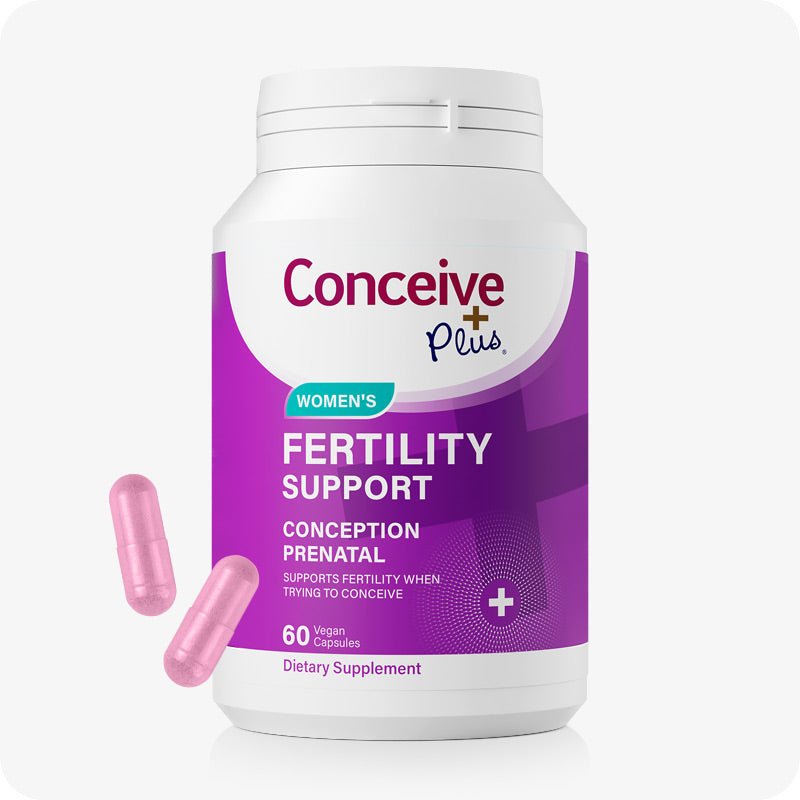
To address those nutritional gaps, doctors advise fertility supplements. Female fertility supplements contain ingredients like folic acid, zinc, vitamin C, and other nutrients that improve hormonal balance and egg health.
Conclusion
Female fertility issues are a big reason why many couples struggle to conceive. Some women feel hesitant to go for fertility checkups and inquire about fertilaid for women.
Fortunately, there are many treatment options or fertile aid for women available. Some treatment options include medications, while others include dietary and lifestyle changes.
If you suspect any fertility issue in you, we recommend you consult a fertility specialist and share your condition for expert advice on your fertility health. Additionally, considering fertility aid for male partners can enhance the overall chances of conception, as male fertility plays a significant role in successful pregnancy.

Resources Used
- editor. (2022c, June 10). Infertility in Women. American Pregnancy Association. https://americanpregnancy.org/getting-pregnant/female-infertility/
- Walker, M. H., & Tobler, K. J. (2022b, December 19). Female Infertility. StatPearls - NCBI Bookshelf. https://www.ncbi.nlm.nih.gov/books/NBK556033/
- Thiyagarajan DK, Basit H, Jeanmonod R. Physiology, Menstrual Cycle. [Updated 2024 Sep 27]. In: StatPearls [Internet]. Treasure Island (FL): StatPearls Publishing; 2024 Jan-. Available from: https://www.ncbi.nlm.nih.gov/books/NBK500020/
- Holesh, J. E., Bass, A. N., & Lord, M. (2023e, May 1). Physiology, Ovulation. StatPearls - NCBI Bookshelf. https://www.ncbi.nlm.nih.gov/books/NBK441996/
- National Library of Medicine. (n.d.). Polycystic Ovary Syndrome. https://medlineplus.gov/polycysticovarysyndrome.html
- Amanvermez, R., & Tosun, M. (2016b). An Update on Ovarian Aging and Ovarian Reserve Tests. PubMed, 9(4), 411–415. https://pmc.ncbi.nlm.nih.gov/articles/PMC4793161/
- Jain, M., & Singh, M. (2023d, June 7). Assisted Reproductive Technology (ART) Techniques. StatPearls - NCBI Bookshelf. https://www.ncbi.nlm.nih.gov/books/NBK576409/
- Skoracka, K., Ratajczak, A. E., Rychter, A. M., Dobrowolska, A., & Krela-Kaźmierczak, I. (2021d). Female Fertility and the Nutritional Approach: The Most Essential Aspects. Advances in Nutrition, 12(6), 2372–2386. https://doi.org/10.1093/advances/nmab068
🌱 Boost Male Fertility Naturally
Conceive Plus Men's Motility Support is formulated with the nutrients that matter most for sperm quality, count, and motility.
Shop Men's Fertility →Frequently Asked Questions
Recommended by Fertility Experts
Conceive Plus Men's Fertility Support
Designed to support healthy sperm production, motility, and overall male reproductive health with clinically studied nutrients.
Shop Now →What vitamins and supplements are most effective for female fertility?
Evidence-based supplements for female fertility include CoQ10, vitamin D, prenatal vitamins with folate, and inositol (particularly for PCOS). The American Society for Reproductive Medicine (ASRM) recommends consulting with a fertility specialist before starting any supplement regimen, as quality and dosage vary significantly among brands, and some may interact with fertility medications.
How long should I try naturally to conceive before seeing a fertility doctor?
The ASRM recommends that women under 35 should consult a fertility specialist after one year of unprotected intercourse, while women 35 and older should seek evaluation after six months. Women with known fertility risk factors, irregular cycles, or a history of miscarriage may benefit from earlier evaluation.
Does health insurance in the US cover fertility treatments and supplements?
Coverage for fertility treatments varies significantly by insurance plan and state, with some states requiring coverage for assisted reproductive technologies while others do not. Over-the-counter fertility supplements are typically not covered by insurance, though prescription fertility medications may be covered depending on your plan and diagnosis—it's best to contact your insurance provider directly.
Can diet and lifestyle changes alone improve fertility without medical treatment?
Yes, lifestyle modifications such as maintaining a healthy weight, reducing stress, eating a nutrient-rich diet, exercising regularly, and eliminating smoking and excess alcohol can improve fertility outcomes for many women. However, if hormonal imbalances or ovulation disorders are present, lifestyle changes alone may not be sufficient, and medical evaluation is recommended.
What is the difference between fertility supplements and FDA-approved fertility medications?
FDA-approved fertility medications like Clomid and Letrozole are prescription drugs clinically proven to stimulate or regulate ovulation with documented safety profiles, whereas dietary supplements are not FDA-regulated for efficacy or safety to the same degree. Supplements like CoQ10 and inositol show promise in research but lack the rigorous clinical trial data required for FDA approval as medications.
How does age affect female fertility, and when should I be concerned?
Female fertility significantly declines after age 35 due to decreased egg quantity and quality, with miscarriage rates increasing from 20% at age 35 to over 40% by age 45. Women over 35 planning to conceive should discuss their timeline with a healthcare provider, as earlier fertility evaluation may be warranted to explore treatment options.
Are natural fertility aids safe to use alongside prescription fertility medications?
Some natural supplements are safe to combine with prescription fertility medications, but others may interact or reduce medication effectiveness, making medical supervision essential. Always inform your fertility specialist about all supplements, vitamins, and herbal products you're taking before starting prescription fertility treatments.
Trusted by Couples in Over 70 Countries
Support Male Fertility From the Inside Out
Male fertility is just as important as female fertility in the conception journey. Conceive Plus Men's range delivers targeted nutritional support to promote healthy sperm and overall reproductive wellbeing.
Shop Men's Range →