How Does Extracting Sperm After a Vasectomy Work for Fertility?
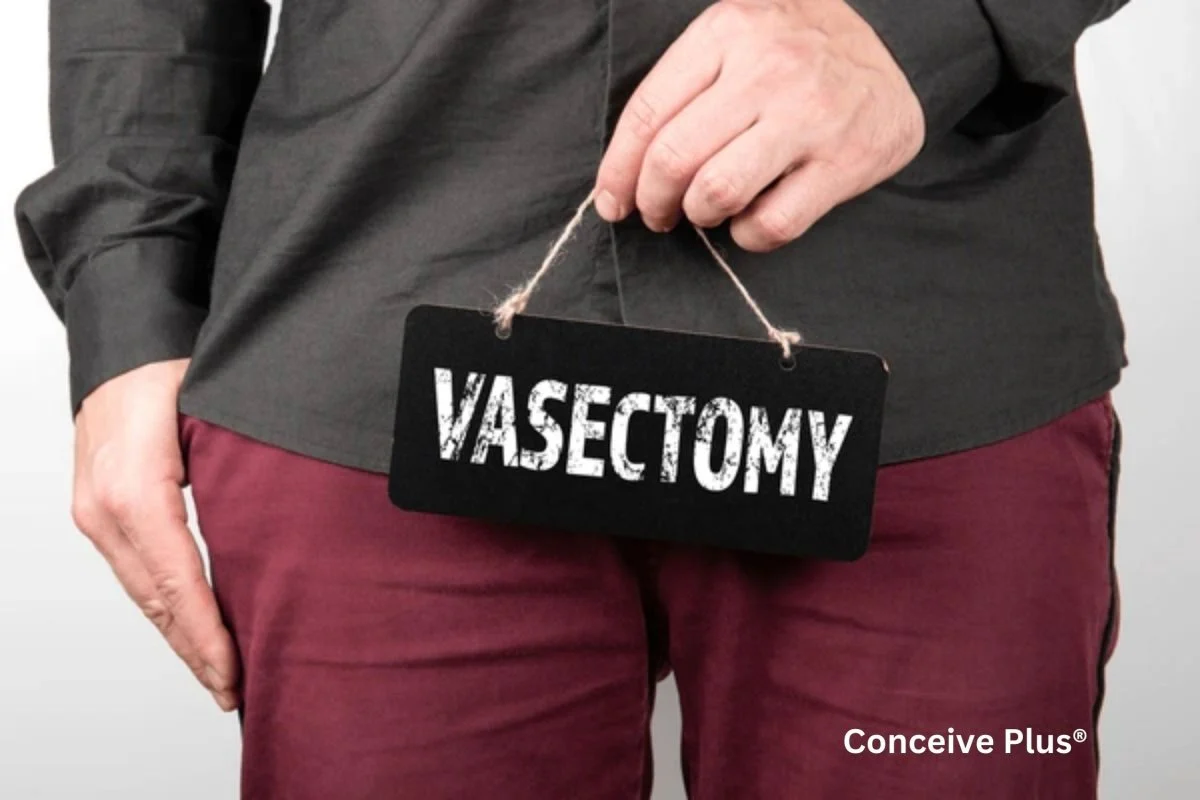

So, your partner had a vasectomy, and now you're thinking about having kids? You're not alone. It's actually pretty common to wonder, can you retrieve sperm after a vasectomy? The good news is, yes, it's possible! Let's break down how extracting sperm after a vasectomy works and what options you have if you're looking to start or expand your family.

Why Might You Need Sperm Retrieval After a Vasectomy?
First, let's understand why someone might need sperm extraction after vasectomy. A vasectomy is a procedure that blocks the vas deferens, the tubes that carry sperm from the testicles to the urethra, which means no sperm in the ejaculation. But here's the thing: the testicles still produce sperm. They just don't make it out. If you're hoping to conceive after a vasectomy, the sperm need to be retrieved directly from where they're stored or produced and then used with assisted reproductive technologies like IVF (in vitro fertilization) or ICSI (intracytoplasmic sperm injection) [1].
If you're wondering can a man with a vasectomy get a woman pregnant, be sure to read more about how this is possible in our detailed article on vasectomy and fertility.
Different Ways to Retrieve Sperm After Vasectomy
There are a few different ways to go about sperm retrieval after vasectomy, and the right method will depend on your specific situation and what the fertility specialist recommends. Here are some of the common techniques:
- Percutaneous Epididymal Sperm Aspiration (PESA): This is a fancy way of saying they use a needle to extract sperm from the epididymis (the place where sperm hang out after leaving the testicles). It's pretty straightforward and doesn't involve major surgery [2].
- Testicular Sperm Aspiration (TESA): For sperm aspiration after vasectomy, this is a go-to method. They use a fine needle to get sperm straight from the testicles. This is especially useful if there's a blockage or if sperm count is low [3].
- Microsurgical Epididymal Sperm Aspiration (MESA): This one's a bit more involved. It's done under a microscope and is great for getting a good amount of healthy sperm. It's often used when a large quantity of sperm is needed or when quality is a concern.
- Testicular Sperm Extraction (TESE): Involves making a small cut in the testicles to retrieve sperm. TESE is often used if sperm production is low or if other methods haven't worked [4].
Quick Tip: If you're going through this process, look into boosting sperm quality naturally with a healthy diet and supplements like Zinc or Selenium. It can make a big difference!

✨ Support Healthy Sperm
Our Motility Support supplement contains Zinc, CoQ10, and L-Carnitine — clinically studied nutrients for sperm health and motility.
Shop Now — $34.95✓ Free shipping on orders over $40 | ✓ Trusted by millions of couples worldwide

What's Involved in the Sperm Retrieval Process?
So, what's it like going through sperm retrieval post vasectomy? It depends on the method, but most procedures can be done in a clinic or surgical center. Non-surgical methods, like PESA or TESA, usually mean a quicker recovery—maybe just a day or two of rest. Surgical options might need a bit more downtime, up to a week, depending on how you're feeling.
Most guys do just fine after these procedures. Sure, there might be some discomfort, maybe a little swelling or bruising, but these are normal and manageable with pain meds or ice packs.
Can You Really Retrieve Sperm After a Vasectomy?
So, back to the big question: can you retrieve sperm after a vasectomy? Absolutely! There are multiple methods to do so, depending on whether there's a blockage or how long it's been since the vasectomy. The sperm retrieved can be used fresh or frozen for future fertility treatments like IVF or ICSI [5].
But it's not always a slam dunk. Sometimes, sperm retrieval might not yield viable sperm, especially if the testicular sperm production has been affected over time. This is something that needs to be discussed with your specialist.
If you're interested in learning more about testicular extraction of sperm as a solution for azoospermia, you can explore this detailed guide on the procedure.
The Bottom Line
Navigating the world of fertility after a vasectomy can be overwhelming, but knowing that extracting sperm after a vasectomy is possible opens up options. Whether you're considering sperm aspiration after vasectomy or one of the other methods, the key is to stay informed and work closely with a fertility expert. Every journey to parenthood is unique, and with the right guidance and support, achieving pregnancy after a vasectomy can become a reality.

FAQs
How successful is sperm retrieval post vasectomy?
Success depends on many factors, including the method used and the health of the sperm. When combined with IVF or ICSI, success rates can be quite promising.
What are the potential risks of sperm retrieval?
Like any medical procedure, there are some risks, including infection, bleeding, and the possibility of not finding viable sperm. However, these risks are generally low.
Is sperm retrieval after vasectomy painful?
Most men report only mild discomfort, which can be managed with pain relief and rest.
What are my other options if sperm retrieval isn't successful?
Options include vasectomy reversal or using donor sperm, depending on your situation and preference. It's best to discuss these alternatives with your fertility specialist.
Citations
- Esteves SC, Miyaoka R, Orosz JE, Agarwal A. An update on sperm retrieval techniques for azoospermic males. Clinics (Sao Paulo). Available at: https://www.ncbi.nlm.nih.gov/pmc/articles/PMC3583154/
- Esteves SC. Percutaneous epididymal sperm aspiration as a method for sperm retrieval in men with obstructive azoospermia seeking fertility: operative and laboratory aspects. Int Braz J Urol. Available at: https://pubmed.ncbi.nlm.nih.gov/26401878/
- P. Donoso, H. Tournaye, P. Devroey, Which is the best sperm retrieval technique for non-obstructive azoospermia? A systematic review, Human Reproduction Update. Available at: https://academic.oup.com/humupd/article/13/6/539/684989
- Rohan P, Daly N, O'Kelly A, O'Leary M, Dineen T, Shah N, Daly P, Waterstone J, Cullen I. Evaluation of Microdissection Testicular Sperm Extraction (mTESE), Outcomes and Predictive Factors in Ireland: The Gold Standard for Men with Non-Obstructive Azoospermia. J Reprod Infertil. Available at: https://www.ncbi.nlm.nih.gov/pmc/articles/PMC8143015/
- Ramasamy R, Schlegel PN. Vasectomy and vasectomy reversal: An update. Indian J Urol. Available at: https://www.ncbi.nlm.nih.gov/pmc/articles/PMC3114592/
🌱 Boost Male Fertility Naturally
Conceive Plus Men's Motility Support is formulated with the nutrients that matter most for sperm quality, count, and motility.
Shop Men's Fertility →Frequently Asked Questions
Recommended by Fertility Experts
Conceive Plus Men's Fertility Support
Designed to support healthy sperm production, motility, and overall male reproductive health with clinically studied nutrients.
Shop Now →Q: Can sperm be extracted after a vasectomy?
A: Yes, sperm can be successfully extracted after a vasectomy through several advanced reproductive techniques. The American Society for Reproductive Medicine (ASRM) recognizes sperm retrieval as a viable option for men who have had vasectomies and wish to father children. Sperm production continues in the testicles after vasectomy—the procedure only blocks the vas deferens, preventing sperm from entering the ejaculate. Success rates for sperm retrieval are generally high, with studies showing that sperm can be found in approximately 90-99% of vasectomy patients when using advanced extraction methods.
Q: Can sperm be harvested from testicles after vasectomy?
A: Sperm can absolutely be harvested directly from the testicles using minimally invasive procedures such as Testicular Sperm Aspiration (TESA) or Testicular Sperm Extraction (TESE). These techniques involve using a fine needle or small surgical instrument to collect sperm-containing tissue directly from testicular tissue, bypassing the blocked vas deferens entirely. The procedure typically takes 15-30 minutes and can be performed under local or general anesthesia in an outpatient setting. Harvested sperm is then used for in vitro fertilization (IVF) or intracytoplasmic sperm injection (ICSI), making it possible to achieve pregnancy even years after vasectomy.
Q: What's the difference between vasectomy reversal and sperm retrieval?
A: Vasectomy reversal (vasovasostomy) attempts to surgically reconnect the vas deferens to restore natural ejaculation, while sperm retrieval extracts sperm directly from the testicles for use in assisted reproductive procedures. Reversal surgery has success rates of 50-90% depending on time since vasectomy, but becomes less effective after 10+ years, according to ASRM guidelines. Sperm retrieval is not dependent on how long ago the vasectomy occurred and has consistently high success rates regardless of time elapsed. Many couples choose sperm retrieval combined with IVF because it provides reliable outcomes and doesn't require additional surgery on the vas deferens.
Q: How long after a vasectomy can you retrieve sperm?
A: Sperm can be retrieved at any point after a vasectomy—even decades later—because the testicles continue producing sperm throughout life. Unlike vasectomy reversal, which becomes progressively less effective over time, sperm retrieval success is not significantly impacted by how many years have passed since the vasectomy procedure. This makes it an excellent option for men who had vasectomies years ago but now wish to have biological children. Patients should consult with a reproductive urologist or fertility specialist to determine the best timing and method for their specific situation.
Q: What happens to sperm quality after vasectomy?
A: Vasectomy does not affect sperm production or quality—the testicles continue to produce healthy sperm with normal morphology and motility after the procedure. The vasectomy simply prevents sperm from mixing with seminal fluid during ejaculation; it doesn't damage sperm or reproductive function. When sperm is retrieved directly from testicular tissue, it maintains the same quality as it would have before vasectomy. While supporting overall reproductive health with proper nutrition and supplements like Conceive Plus may benefit fertility outcomes during IVF or ICSI procedures, the vasectomy itself poses no biological barrier to sperm quality.
Trusted by Couples in Over 70 Countries
Support Male Fertility From the Inside Out
Male fertility is just as important as female fertility in the conception journey. Conceive Plus Men's range delivers targeted nutritional support to promote healthy sperm and overall reproductive wellbeing.
Shop Men's Range →