Do Barren Ladies Have Periods and Can You Be Infertile with Regular Cycles?
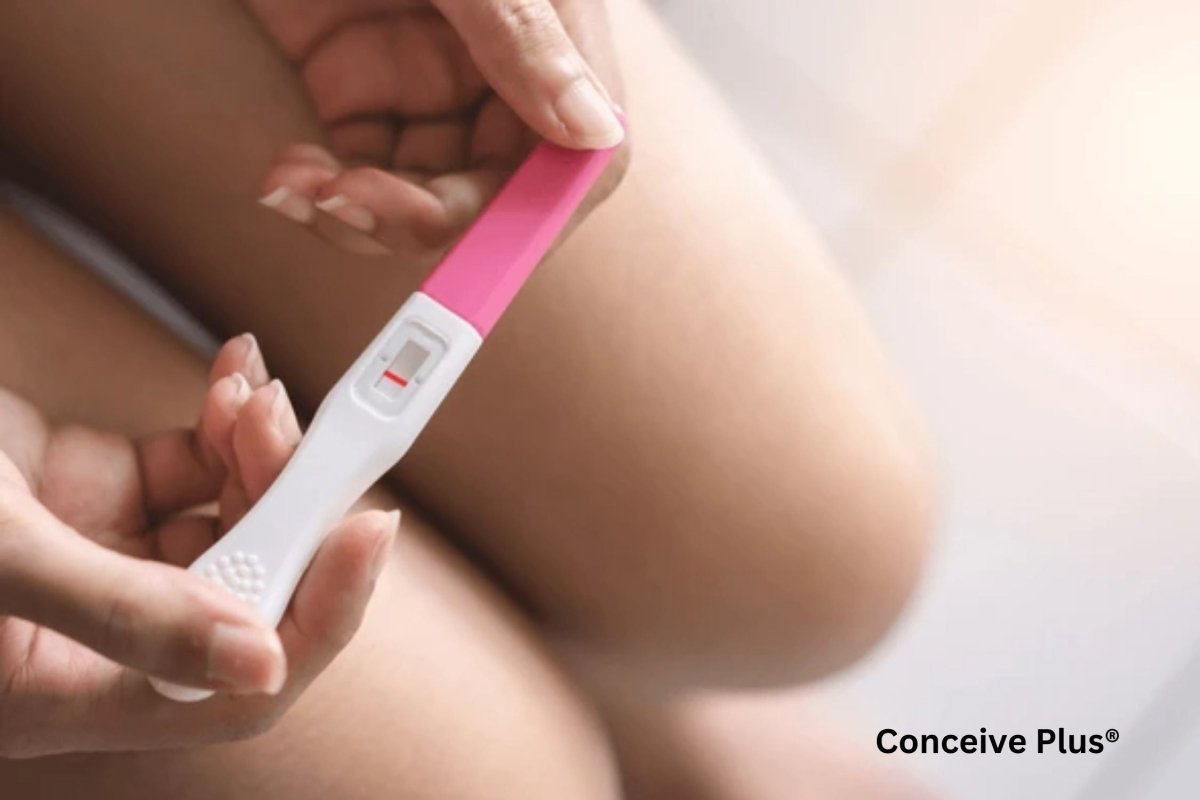

Do barren ladies have periods? This is a common question when discussing fertility issues. Many people assume that having a regular menstrual cycle means a woman is fertile, but this isn't always true. Understanding how menstruation relates to fertility is important for anyone on a journey to conceive. Let's look at whether it's possible to have regular periods and still face infertility and what that means for those trying to start a family.

How Menstrual Cycles and Infertility Are Connected
You might ask, can you be infertile and still have regular periods? The answer is yes. Regular periods usually indicate that ovulation is happening, which is necessary for conception. However, it's entirely possible to have regular menstrual cycles and still experience infertility. There are many reasons for this, such as blocked fallopian tubes, poor egg quality, or sperm issues—none of which necessarily affect the regularity of menstruation [1]. So, when considering do infertile women have periods or can infertile women have periods, the answer is a definite yes.
Top Tip: Use a menstrual tracker app to monitor your cycle and spot irregularities that could signal potential problems.
Can You Be Infertile Even If You Have a Period?
It's natural to wonder, can you have a period and be infertile? Yes, you can. Having a period does not guarantee that a woman is fertile. Menstruation is part of the reproductive cycle, but it doesn't necessarily mean all the conditions for conception are met. There could be other factors like hormonal imbalances, uterine abnormalities, or low egg quality that might make it difficult to get pregnant. This brings us back to the question: can you be infertile and still have periods? Absolutely. A woman can have either regular or irregular periods and still face fertility challenges [2].
Top Tip: If you have regular periods but haven't conceived after a year of trying (or six months if you're over 35), it's a good idea to consult a fertility specialist.
Recognizing Signs of Infertility
It's important to recognize infertility warning signs, especially if you're trying to conceive. Some signs to watch for include irregular menstrual cycles, very heavy or very light bleeding, and sudden changes in hormone levels. Conditions like polycystic ovary syndrome (PCOS) or endometriosis can also affect a woman's fertility [3]. Even if an infertile woman has periods, she might still display other signs that indicate fertility issues. Experiencing pain during intercourse, severe menstrual cramps or a significant change in your menstrual flow are all signs that shouldn't be ignored.
Top Tip: If you notice changes in your menstrual cycle or experience persistent pelvic pain, it's important to talk to a healthcare provider to find out if there are any underlying issues affecting your fertility.


✨ Support Healthy Sperm
Our Motility Support supplement contains Zinc, CoQ10, and L-Carnitine — clinically studied nutrients for sperm health and motility.
Shop Now — $34.95✓ Free shipping on orders over $40 | ✓ Trusted by millions of couples worldwide
Why Regular Periods Don't Always Mean You're Fertile
Many people think that having regular periods means there are no fertility problems. However, can you be infertile and still have a period? Yes, because fertility is more complex than just having a regular menstrual cycle. Issues, like blocked fallopian tubes, sperm disorders, or conditions such as uterine fibroids, can still exist alongside a regular period and affect the ability to conceive [4]. Understanding that do infertile women get periods is key—they do, but their ability to get pregnant may still be impacted.
Top Tip: Regular periods are a positive sign, but they're not the only factor in fertility. A full fertility evaluation can provide a more complete picture of your reproductive health.
Improving Fertility Through Lifestyle and Nutrition
If you're dealing with fertility issues, making certain lifestyle changes and incorporating key nutrients can help. Ingredients like Myo-Inositol and D-Chiro Inositol are known to help regulate hormones and improve egg quality, especially for women with PCOS [5]. Antioxidants like CoQ10 can protect eggs and sperm from oxidative stress, which is crucial for maintaining fertility. Vitamin D is also important for hormonal balance and overall reproductive function. Adding these nutrients to your diet may provide the support needed to improve fertility naturally.
If you're wondering whether it's possible to overcome infertility, exploring whether can you reverse infertility with the right treatments could provide valuable insights.

The Bottom Line
So, do barren ladies have periods? Yes, they do. However, having regular periods does not always mean a woman is fertile. Understanding how menstrual health relates to fertility is essential for making informed choices on your journey to parenthood. If you're having trouble conceiving despite regular periods, it's a good idea to consult with a healthcare professional to explore all possible causes of infertility.
Top Tip: In addition to regular medical check-ups, maintaining a healthy lifestyle, reducing stress, and staying active can improve one's chances of conception.
FAQs
1. Can a woman with irregular periods still get pregnant?
Yes, women with irregular periods can still get pregnant, but it might be harder to predict ovulation, which can make timing intercourse more challenging.
2. Does infertile woman have periods?
Yes, an infertile woman can have periods. Infertility does not always mean the absence of menstruation; it often relates to issues with ovulation or other reproductive factors.
3. Do regular periods guarantee that a woman is fertile?
Not necessarily. While regular periods often mean ovulation is occurring, other factors like egg quality or sperm health could still affect fertility.
4. What are common signs of infertility in women?
Signs can include irregular menstrual cycles, heavy or light periods, and conditions like PCOS or endometriosis.
5. Are there supplements that can help improve fertility?
Yes, supplements such as folic acid, Vitamin D, CoQ10, and Myo-Inositol can support reproductive health and boost fertility.
Citations
- Michael Vermesh, Oscar A. Kletzky, Val Davajan, Robert Israel. Monitoring techniques to predict and detect ovulation. Available at: https://www.sciencedirect.com/science/article/pii/S0015028216500028
- Merviel, P., et al. (2010). "Follicular monitoring and oestradiol levels in predicting ovulation." Reproductive Biology and Endocrinology. Available at: https://pubmed.ncbi.nlm.nih.gov/28292619/
- Dennett CC, Simon J. The role of polycystic ovary syndrome in reproductive and metabolic health: overview and approaches for treatment. Diabetes Spectr. Available at: https://www.ncbi.nlm.nih.gov/pmc/articles/PMC4433074/
- Don EE, Mijatovic V, Huirne JAF. Infertility in patients with uterine fibroids: a debate about the hypothetical mechanisms. Hum Reprod. Available at: https://www.ncbi.nlm.nih.gov/pmc/articles/PMC10628498/
- Kalra B, Kalra S, Sharma JB. The inositols and polycystic ovary syndrome. Indian J Endocrinol Metab. Available at: https://www.ncbi.nlm.nih.gov/pmc/articles/PMC5040057/
Conceive Plus is the best place to buy myo-inositol online for the best myo-inositol supplements Conceive Plus Ovulation Support contains premium myo-inositol for sale. Order myo-inositol capsules online today to boost your ovulation and regulate hormones and menstrual cycles.
🌱 Boost Male Fertility Naturally
Conceive Plus Men's Motility Support is formulated with the nutrients that matter most for sperm quality, count, and motility.
Shop Men's Fertility →Frequently Asked Questions
Recommended by Fertility Experts
Conceive Plus Men's Fertility Support
Designed to support healthy sperm production, motility, and overall male reproductive health with clinically studied nutrients.
Shop Now →Q: Can a woman be infertile and still have regular periods?
A: Yes, absolutely. A woman can have completely regular menstrual cycles and still struggle with infertility. Regular periods indicate that ovulation and menstruation are occurring on schedule, but they don't guarantee that the egg quality is optimal, that fertilization can occur, or that an embryo can implant successfully. According to the American Society for Reproductive Medicine (ASRM), approximately 12% of women of reproductive age experience infertility, and many of these women have normal-looking cycles. Issues like diminished ovarian reserve, blocked fallopian tubes, endometriosis, or male factor infertility can all coexist with regular periods.
Q: Can an infertile woman menstruate normally?
A: Yes, infertile women can menstruate normally and regularly. Menstruation and fertility are two separate biological functions—having periods simply means the uterine lining is shedding as expected, but it doesn't reflect the quality of eggs, sperm health, or reproductive tract function. Many women diagnosed with infertility have perfectly regular 28-day cycles or consistent patterns that their healthcare providers would consider "normal." This is why the American College of Obstetricians and Gynecologists (ACOG) recommends that couples unable to conceive after one year of trying (or six months if the woman is over 35) seek fertility evaluation, regardless of cycle regularity.
Q: Can a barren woman have periods?
A: Yes, a woman facing infertility challenges can absolutely have periods. The terms "barren" or infertile refer to difficulty conceiving, not the absence of menstruation. In fact, most women with infertility diagnoses continue to menstruate regularly because their hormonal systems that regulate periods may be functioning normally, even when other fertility factors aren't. Conditions like polycystic ovary syndrome (PCOS), which affects roughly 6-12% of reproductive-age women in the US, can present with regular periods despite causing ovulation or fertility challenges. Understanding this distinction is crucial for women seeking fertility support and considering options like Conceive Plus to optimize their reproductive health.
Q: Can I be infertile and still have regular periods?
A: Yes, you can absolutely be infertile while maintaining a completely regular menstrual cycle. Regular periods don't guarantee fertility because many factors beyond cycle regularity affect conception, including egg quality, sperm quality, fallopian tube patency, and uterine health. Research shows that approximately 35% of infertility cases involve female factor issues, 35% involve male factor issues, 20% involve combined factors, and 10% are unexplained—yet many of these individuals have regular periods. If you've been trying to conceive for over a year without success, consulting a fertility specialist is recommended regardless of your cycle patterns.
Q: Can a sterile woman menstruate?
A: Yes, a sterile or infertile woman can menstruate regularly. Sterility and menstruation are independent biological processes—regular bleeding indicates normal uterine function and hormonal cycling, but doesn't necessarily indicate that conception is possible. Some women with infertility experience regular, predictable periods while dealing with underlying issues like ovulation disorders, egg quality problems, or reproductive tract abnormalities. For women focused on optimizing their fertility health while managing regular cycles, supporting overall reproductive wellness through proper nutrition, supplementation, and lifestyle choices—such as taking supplements like Conceive Plus that support reproductive function—can be part of a comprehensive fertility approach alongside medical guidance.
Trusted by Couples in Over 70 Countries
Support Male Fertility From the Inside Out
Male fertility is just as important as female fertility in the conception journey. Conceive Plus Men's range delivers targeted nutritional support to promote healthy sperm and overall reproductive wellbeing.
Shop Men's Range →