Do Alcohol Kill Sperm and Can Beer Really Increase Sperm Count?


Thinking about having a baby? Then you've probably wondered about a lot of things that could impact your fertility. One big question that comes up often is, do alcohol kill sperm? It's a valid concern. Alcohol’s impact on sperm health and fertility can be significant for both men and women. Let's dive into how alcohol affects sperm, whether it can be harmful in a woman's body, and whether drinks like beer have any real impact on sperm count.

Does Alcohol Harm Sperm Health?
So, the big question: do alcohol kill sperm? Not in the way you might think. Alcohol doesn’t outright "kill" sperm, but it can mess with the quality big time. If you drink a lot, it can be a problem. Studies show that heavy alcohol consumption can really lower sperm count. If you're wondering what lowers sperm count, alcohol is definitely a major factor. It can also change the shape and movement of sperm, making it harder for them to swim to the egg and do their job [1].
Alcohol also affects hormones in men. Drinking heavily—more than 15 drinks a week—can lower testosterone and raise estrogen levels. This hormonal imbalance can reduce sperm production and, in some cases, even shrink the testes, which isn't great for fertility [2].
Top Tip: Cutting back on alcohol might help improve sperm quality and boost your chances of conception.
Does Alcohol Affect Sperm in a Woman's Body?
A lot of people ask, can alcohol kill sperm in a woman body? No, alcohol doesn't kill sperm inside a woman’s body directly, but it sure can make it tougher for sperm to survive and do their job. For women, alcohol can throw hormone levels out of whack, affecting ovulation, which is a big deal when you're trying to conceive [3].
Alcohol is also a diuretic, which means it makes you pee more, leading to dehydration. Less water in the body means thicker cervical mucus. Sperm need good quality cervical mucus to travel and survive. If the mucus is too thick or there isn’t enough, sperm might not make it to the egg. So, while alcohol doesn’t kill sperm, it can make their journey a lot harder [4].
Top Tip: Both partners should consider reducing alcohol intake when trying to conceive. Creating the best conditions for conception is key.
What Drinks Could Impact Sperm Health?
Another common question is, what drink kills sperm in the female body? There isn’t a specific drink that "kills" sperm, but some can make things tougher for them. Alcoholic drinks, especially those with high alcohol content, can alter the vaginal environment. This might change the pH balance, making it less friendly for sperm. When that happens, sperm survival rates drop [5].
Sugary drinks aren’t much better. High sugar content can decrease sperm motility, which means the sperm don't swim as well. Drinks that dehydrate you, like alcohol, also reduce cervical mucus quality. Not ideal for sperm.
Top Tip: Staying hydrated and avoiding sugary cocktails when trying to conceive can help keep the environment more sperm-friendly.


✨ Support Healthy Sperm
Our Motility Support supplement contains Zinc, CoQ10, and L-Carnitine — clinically studied nutrients for sperm health and motility.
Shop Now — $34.95✓ Free shipping on orders over $40 | ✓ Trusted by millions of couples worldwide
Can Beer Really Boost Sperm Count?
A question that pops up frequently: can beer increase sperm count? Unfortunately, beer, or any alcoholic drink for that matter, doesn’t boost sperm count. In fact, drinking a lot of beer can have the opposite effect. Heavy beer consumption can lower sperm quality due to its alcohol content and can lead to dehydration and hormonal imbalances. This can also contribute to low sperm volume, which may further impact fertility.
Moderation is key here. Having a beer every now and then probably won’t ruin your fertility, but heavy drinking can lower sperm count and make sperm less healthy overall. It’s a myth that alcohol boosts sperm health.
Top Tip: If you’re trying to improve your fertility, cutting back on beer might be a smart move. Focus on a healthy diet and lifestyle instead.
Sperm Alcohol Drink: What’s the Real Impact?
Men often wonder about the effects of alcohol on their sperm, leading to thoughts about sperm alcohol drink. Consuming alcohol regularly can reduce sperm quality, affecting count, motility, and shape. This makes it harder for sperm to reach the egg and fertilize it.
Alcohol can also cause erectile dysfunction or reduce libido, which can make it difficult to have regular intercourse. This is crucial when trying to conceive. Plus, alcohol can damage the DNA within sperm cells, affecting not only fertility but also the potential health of future children.
Top Tip: Reducing alcohol consumption can improve sperm health and increase the chances of conception.
Fertility-Boosting Nutrients
While alcohol might negatively affect fertility, there are certain nutrients that can support reproductive health:
- Folic Acid: Essential for DNA synthesis and cell growth. Reduces the risk of birth defects and supports sperm production.
- Myo-Inositol and D-Chiro Inositol: Help improve hormonal balance and support ovarian function, particularly for women with PCOS.
- CoQ10: An antioxidant that protects sperm and eggs from damage, boosting fertility.
- Vitamins D, C, and E: Support hormonal balance and immune function, and protect cells from oxidative stress.
- L-Arginine and L-Carnitine: Improve blood flow and sperm motility, aiding overall sperm health.
Including these nutrients in your diet or through supplements can help enhance fertility.
Top Tip: Talk to a healthcare provider about which nutrients and supplements could support your fertility journey.

The Bottom Line
So, what's the bottom line? Alcohol can affect fertility for both men and women, and not in a good way. It doesn’t directly "kill" sperm, but heavy drinking can reduce sperm quality, impair motility, and create a less favorable environment for conception. Do alcohol kill sperm is a common question, and while it doesn’t outright destroy sperm, it can significantly harm sperm health. For couples trying to conceive, it’s wise to limit alcohol intake and focus on a healthy lifestyle that supports fertility. Remember, both partners play a role in fertility, and making positive lifestyle changes can improve your chances of a successful pregnancy.
FAQs
Do alcohol kill sperm?
Alcohol doesn't directly kill sperm, but heavy drinking can lower sperm quality and quantity, impacting fertility.
Can alcohol kill sperm in a woman body?
Alcohol doesn't directly kill sperm in a woman's body, but it can create an environment that's less favorable for sperm survival.
What drink kills sperm in the female body?
No specific drink kills sperm, but alcoholic beverages can affect vaginal conditions, making it harder for sperm to survive.
Can beer increase sperm count?
Beer does not increase sperm count; in fact, excessive consumption can lower sperm quality.
How does a sperm alcohol drink affect fertility?
Regular alcohol intake can negatively impact sperm quality and hormone levels, reducing the chances of conception.
Citations
- Jensen TK, Gottschau M, Madsen JO, Andersson AM, Lassen TH, Skakkebæk NE, Swan SH, Priskorn L, Juul A, Jørgensen N. Habitual alcohol consumption associated with reduced semen quality and changes in reproductive hormones; a cross-sectional study among 1221 young Danish men. BMJ Open. Available at: https://pubmed.ncbi.nlm.nih.gov/25277121/
- Muthusami KR, Chinnaswamy P. Effect of chronic alcoholism on male fertility hormones and semen quality. Fertil Steril. Available at: https://pubmed.ncbi.nlm.nih.gov/16213844/
- Emanuele MA, Emanuele NV. Alcohol's effects on male reproduction. Alcohol Health Res World. Available at: https://www.ncbi.nlm.nih.gov/pmc/articles/PMC6761906/
- Hanson BM, Aston KI, Jenkins TG, Carrell DT, Hotaling JM. The impact of ejaculatory abstinence on semen analysis parameters: a systematic review. J Assist Reprod Genet. Available at: https://www.ncbi.nlm.nih.gov/pmc/articles/PMC5845044/
- Smit M, Romijn JC, Wildhagen MF, Veldhoven JL, Weber RF, Dohle GR. Decreased sperm DNA fragmentation after surgical varicocelectomy is associated with increased pregnancy rate. J Urol. Available at: https://pubmed.ncbi.nlm.nih.gov/19913801/
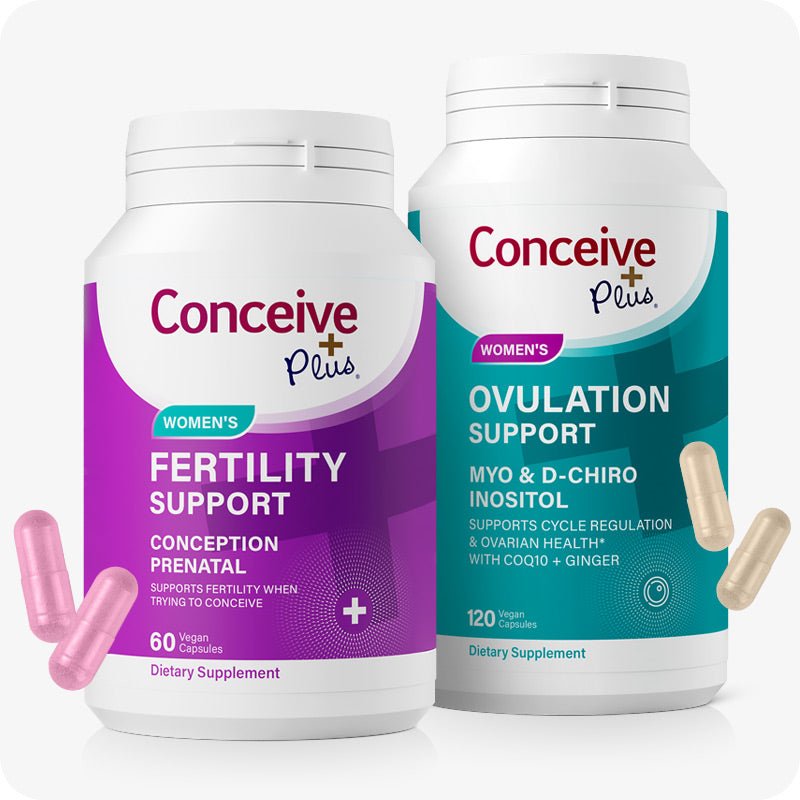
Conceive Plus is the best place to buy myo-inositol online for the best myo-inositol supplements Conceive Plus Ovulation Support contains premium myo-inositol for sale. Order myo-inositol capsules online today to boost your ovulation and regulate hormones and menstrual cycles.
🌱 Boost Male Fertility Naturally
Conceive Plus Men's Motility Support is formulated with the nutrients that matter most for sperm quality, count, and motility.
Shop Men's Fertility →Frequently Asked Questions
Recommended by Fertility Experts
Conceive Plus Men's Fertility Support
Designed to support healthy sperm production, motility, and overall male reproductive health with clinically studied nutrients.
Shop Now →Q: Can alcohol affect sperm count?
A: Yes, alcohol can significantly affect sperm count and overall sperm quality. Research shows that men who consume more than 14 drinks per week experience reduced sperm concentration and motility compared to moderate drinkers. Even moderate alcohol consumption has been linked to decreased testosterone levels, which directly impacts sperm production. The American Society for Reproductive Medicine (ASRM) recommends limiting alcohol intake when trying to conceive, as sperm takes approximately 74 days to fully develop, meaning current drinking habits can affect fertility for months. Combining lifestyle changes like reducing alcohol with proper supplementation, such as Conceive Plus for Men, can help optimize sperm health during this critical development period.
Q: Can alcohol cause low sperm count?
A: Alcohol can directly contribute to low sperm count through multiple mechanisms, including reducing testosterone production and damaging the cells that produce sperm in the testes. Studies indicate that heavy drinkers (more than 14 drinks weekly) have sperm counts approximately 33% lower than men who drink moderately or not at all. Alcohol also impairs nutrient absorption, reducing the body's ability to utilize essential vitamins and minerals needed for healthy sperm production. Men planning to conceive should aim for no more than one drink per day according to US fertility guidelines. Supporting your sperm health with proper nutrition and targeted supplements can help counteract alcohol's negative effects on sperm parameters.
Q: Can alcohol kill sperm in a woman's body?
A: Alcohol does not directly kill sperm once it enters a woman's reproductive tract, as sperm survive in the acidic vaginal environment and alkaline cervical mucus regardless of alcohol consumption. However, a woman's alcohol use during conception attempts can indirectly affect fertility by disrupting ovulation, hormonal balance, and egg quality—all critical factors for successful pregnancy. Additionally, if a woman becomes pregnant and continues drinking, alcohol can harm fetal development, which is why the CDC recommends zero alcohol consumption when trying to conceive. For couples trying to conceive, both partners should minimize alcohol intake and focus on overall reproductive health through proper nutrition and supplementation.
Q: Does beer increase sperm count?
A: No, beer does not increase sperm count—this is a common myth without scientific support. In fact, beer and all alcoholic beverages contain ethanol, which has been consistently shown to decrease sperm count, motility, and morphology in clinical studies. Some beer contains phytoestrogens (plant-based estrogens) that can further interfere with testosterone production and sperm development. If you're trying to conceive, eliminating or severely limiting beer consumption is advisable, as the negative effects on sperm quality are well-documented by fertility research organizations. Instead, focus on proven methods to support sperm health, including healthy lifestyle choices, regular exercise, stress management, and supplementation with scientifically-formulated products like Conceive Plus for Men.
Q: Can alcohol reduce sperm count and fertility in men?
A: Yes, alcohol reduces sperm count and can significantly impact male fertility through decreased testosterone, impaired sperm motility, and reduced sperm morphology. Men who drink heavily experience not only lower sperm counts but also higher rates of abnormal sperm shape and reduced swimming ability, making it harder for sperm to fertilize an egg. According to research published in fertility journals, even moderate drinking can reduce fertility chances by affecting multiple sperm parameters simultaneously. The recovery period is approximately 3 months of abstinence or minimal drinking to see improvements in sperm quality. Men committed to improving their fertility should eliminate or drastically reduce alcohol consumption while supporting sperm health through proper diet, exercise, stress reduction, and supplementation designed to optimize male fertility.
Trusted by Couples in Over 70 Countries
Support Male Fertility From the Inside Out
Male fertility is just as important as female fertility in the conception journey. Conceive Plus Men's range delivers targeted nutritional support to promote healthy sperm and overall reproductive wellbeing.
Shop Men's Range →