How Cycle Day 21 and 22 Symptoms Relate to Day 23 of Cycle
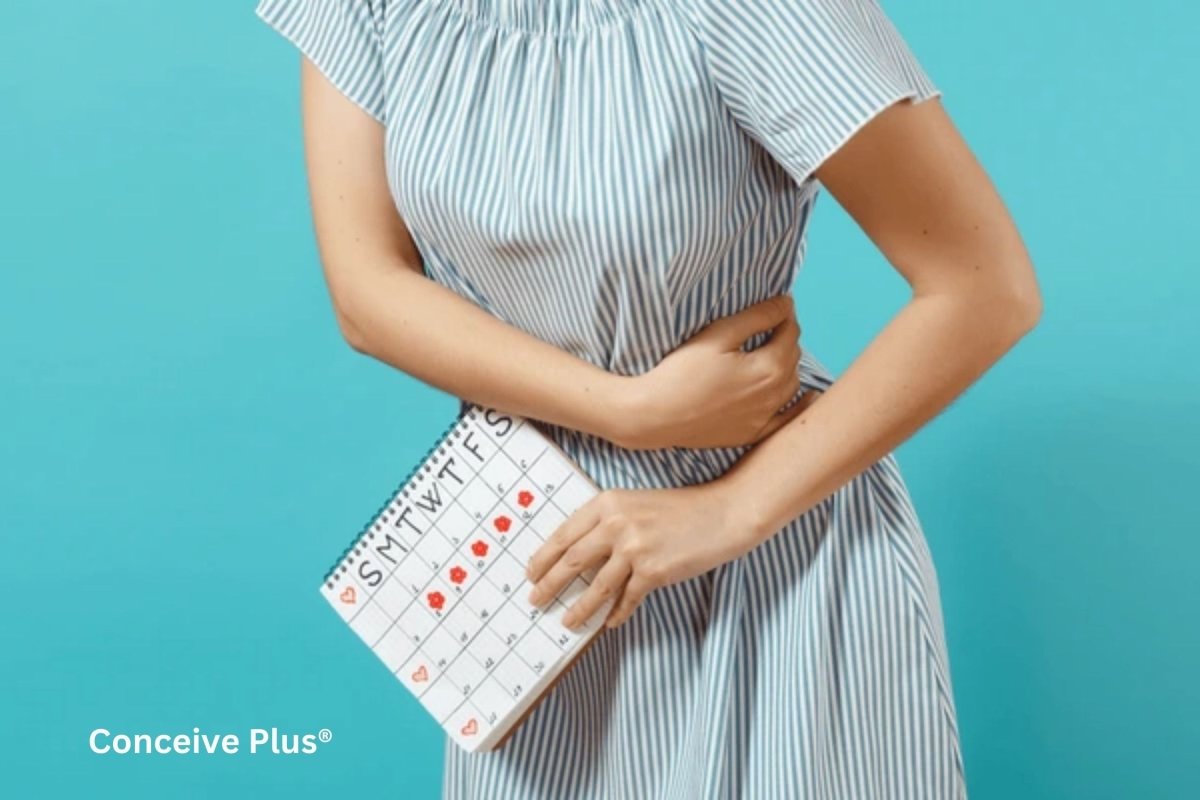

When it comes to understanding your menstrual cycle, each day has its own story to tell. Days like cycle day 21 symptoms, cycle day 22 symptoms, and day 23 of cycle are especially important for those paying close attention to their body, particularly if they’re trying to conceive. These days fall in the luteal phase of the menstrual cycle—a critical period where hormonal changes either pave the way for pregnancy or prepare the body for menstruation [1].
The luteal phase is fascinating. A lot happens under the surface, and it can feel like your body is speaking in signals—bloating, fatigue, mood swings, or even subtle signs that might whisper, “Hey, something’s different this time.”

The Big Role of the Luteal Phase
So, what is the luteal phase? It’s the second half of the menstrual cycle, starting after ovulation and ending when your next period begins. It’s kind of like the phase where the body either rolls out the red carpet for a fertilized egg or starts tidying up for the next cycle. Around cycle day 21 symptoms, your body is knee-deep in progesterone production, a hormone that’s all about creating a cozy uterine lining for a potential pregnancy [2].
Estrogen also tags along, rising subtly to keep things balanced. These two hormones are what make this phase so important—and they’re behind most of the symptoms you might notice.
What Happens on Cycle Day 21?
By the time you hit cycle day 21 symptoms, your body’s already in the thick of the luteal phase. If you’ve ovulated earlier in the cycle, progesterone is likely at its peak. This hormone doesn’t just sit around; it works hard to prepare the uterine lining for a fertilized egg. If conception has happened, this lining is where the magic begins.
Symptoms on cycle day 21 symptoms often include things like tender breasts. This happens because progesterone and estrogen are signaling your body to increase blood flow to the breast tissue. Some women also feel slight cramping—it’s not like the intense cramps of a period, more like a dull, achy sensation.
And then there’s the appetite thing. Many women report cravings or feeling hungrier during this time. It’s your body’s way of subtly asking for more energy to support all the behind-the-scenes activity [3].
Moving on to Cycle Day 22
Next up is cycle day 22 symptoms. If the luteal phase were a journey, day 22 would be the part where your body starts to get serious about its plan. Progesterone is still in the driver’s seat, keeping the uterine lining thick and rich with nutrients. If an embryo is going to implant, this is the ideal setup [4].
You might feel bloated on cycle day 22 symptoms. It’s normal. Progesterone tends to make the body retain water. Some women even notice their rings feeling tighter or their pants fitting a little differently. At the same time, you might experience heightened sensitivity to smells or flavors. While this can happen during PMS, it’s also an early pregnancy clue for some.
Fatigue can sneak in too. Not the “I stayed up too late binge-watching shows” kind of tired, but a deeper exhaustion. It makes sense; your body is working harder than usual. Drinking plenty of water and eating magnesium-rich foods like nuts or dark chocolate can help with these symptoms.

What to Expect on Day 23 of Cycle
And now we’re at day 23 of cycle—a crucial day in the luteal phase. This day can be a turning point because it’s often when early pregnancy symptoms start to make their debut if conception has occurred.
For some, this is the time when implantation bleeding happens. It’s light, maybe just a spot or two, and it’s not the same as a period. This bleeding is caused by a fertilized egg burrowing into the uterine lining. Alongside that, you might feel mild cramping—not sharp or intense, just a little noticeable.
Breast changes can also become more pronounced on day 23 of cycle. Some women describe a tingling sensation or even notice their breasts feeling fuller. These changes are usually thanks to the hormonal shifts that come with early pregnancy.
If pregnancy isn’t in the cards, day 23 of cycle might bring the classic premenstrual symptoms into sharper focus. You could feel more irritable or emotional than usual. Some women also deal with breakouts, especially along the jawline or chin. This is due to the way hormones affect oil production in the skin [5].
If you have a 26 day menstrual cycle getting pregnant might require careful tracking of ovulation, as a shorter cycle means an earlier fertile window than the standard 28-day cycle.
Connecting the Dots Between These Days
So, what ties cycle day 21 symptoms, cycle day 22 symptoms, and day 23 of cycle together? It’s all about hormones—mainly progesterone and estrogen. These two hormones dictate much of what you feel during the luteal phase [6].

✨ Trying to Conceive?
Our Ovulation & Fertility Bundle combines Myo-Inositol with essential vitamins to support healthy hormone balance and regular ovulation.
Shop Now — $55.00✓ Free shipping on orders over $40 | ✓ Trusted by millions of couples worldwide
Progesterone stabilizes the uterine lining and reduces uterine contractions. It’s all about creating a calm, stable environment in case a fertilized egg decides to stick around. Estrogen, on the other hand, works in the background, supporting various functions and making sure the body doesn’t go overboard with progesterone’s effects.
Together, these hormones influence symptoms like bloating, mood swings, fatigue, and breast tenderness. The timing and intensity of these symptoms can vary from woman to woman, but they’re all signals that the luteal phase is in full swing.
The Role of Nutrition During the Luteal Phase
What you eat during this time matters a lot. Your body is busy, and it needs the right fuel. For starters, folic acid is crucial. It supports cell growth and development, which is essential if conception has occurred. Foods like spinach, oranges, and fortified cereals are great sources.
Vitamin B6 can help with mood swings and reduce bloating. Bananas, chicken, and potatoes are excellent choices. Magnesium is another superstar during this phase. It can ease cramps and improve sleep. You’ll find it in almonds, dark chocolate, and leafy greens [7].
Zinc and selenium are also worth mentioning. These nutrients support reproductive health and immune function. You can get them from foods like nuts, seeds, and fish.
Fertility Awareness: Tracking Symptoms
If you’re trying to conceive, paying attention to the symptoms on cycle day 21 symptoms, cycle day 22 symptoms, and day 23 of cycle can give you valuable clues about your body. Things like breast tenderness, fatigue, and bloating might not seem like much, but they’re all part of the bigger picture.
Using tools like ovulation predictor kits or tracking basal body temperature can add more certainty to your observations. Combining these tools with symptom tracking gives you a clearer view of your fertile window and overall cycle health [8].
While the luteal phase plays a key role in fertility, the earlier days of your cycle, such as day 13 of cycle, are equally important for tracking ovulation and understanding your body's patterns.

Lifestyle Tips for a Healthy Luteal Phase
In addition to good nutrition, there are other ways to support your body during this phase. Stress management is a big one. High stress levels can disrupt the luteal phase, making it shorter or less effective. Practices like yoga, meditation, or even just taking a walk can make a big difference.
Getting enough sleep is equally important. Your body repairs and regenerates while you rest, which is especially important during the luteal phase. Aim for seven to eight hours of quality sleep each night.
Exercise can also help, but it’s important not to overdo it. Gentle activities like walking, swimming, or yoga are ideal during this time. They help boost circulation without putting extra strain on your body [9].
What If Something Feels Off?
Sometimes, symptoms during the luteal phase can signal underlying issues. For example, if you notice that your luteal phase is consistently shorter than 10 days, it might indicate a luteal phase defect. This condition can make it harder for a fertilized egg to implant and develop.
Other red flags include severe PMS symptoms, irregular cycles, or persistent fatigue. If you’re experiencing any of these issues, it’s a good idea to consult a healthcare professional. They can run tests to identify potential hormonal imbalances or other concerns [10].
The Bottom Line
Understanding cycle day 21 symptoms, cycle day 22 symptoms, and day 23 of cycle is like having a window into your body’s inner workings. These days are a crucial part of the luteal phase, a time when your body is either preparing for pregnancy or gearing up for the next cycle.
By paying attention to the symptoms and changes that happen during this time, you can gain valuable insights into your fertility and overall health. Whether it’s tracking your cycle, making dietary adjustments, or simply tuning in to what your body is telling you, every little step helps.
FAQs
What are some common symptoms on day 23 of cycle?
On day 23 of cycle, you might notice symptoms like light spotting, mild cramping, breast tenderness, or bloating. These could be early pregnancy signs or premenstrual symptoms.
Can implantation happen on cycle day 21 symptoms?
Yes, implantation typically occurs between cycle days 21 and 23. Some women notice light spotting or cramping during this time, which can indicate implantation.
How do I know if I’m pregnant or just experiencing PMS on day 23 of cycle?
Early pregnancy symptoms like heightened sensitivity to smells, implantation bleeding, or subtle breast changes can differ slightly from PMS, but they’re often very similar. A pregnancy test is the only way to confirm.
When should I take a pregnancy test if I think I conceived?
For the most accurate results, wait until you miss your period or about 14 days after ovulation to take a test.
What lifestyle changes can support fertility during this phase?
Tracking ovulation, managing stress, eating a balanced diet, and maintaining a healthy weight are all helpful for supporting fertility during the luteal phase.
Citations
- Santoro N, Randolph JF Jr. Reproductive hormones and the menopause transition. Obstet Gynecol Clin North Am. Available at: https://pmc.ncbi.nlm.nih.gov/articles/PMC3197715/
- Prior JC. Progesterone as a bone-trophic hormone. Endocr Rev. Available at: https://pubmed.ncbi.nlm.nih.gov/2194787/
- Dye L, Blundell JE. Menstrual cycle and appetite control: implications for weight regulation. Hum Reprod. Available at: https://pubmed.ncbi.nlm.nih.gov/9221991/
- Wilcox AJ, Baird DD, Weinberg CR. Time of implantation of the conceptus and loss of pregnancy. N Engl J Med. Available at: https://pubmed.ncbi.nlm.nih.gov/10362823/
- Chabbert Buffet N, Djakoure C, Maitre SC, Bouchard P. Regulation of the human menstrual cycle. Front Neuroendocrinol. Available at: https://pubmed.ncbi.nlm.nih.gov/9665835/
- Schliep KC, Mumford SL, Vladutiu CJ, Ahrens KA, Perkins NJ, Sjaarda LA, Kissell KA, Prasad A, Wactawski-Wende J, Schisterman EF. Perceived stress, reproductive hormones, and ovulatory function: a prospective cohort study. Epidemiology. Available at: https://pubmed.ncbi.nlm.nih.gov/25643098/
- Facchinetti F, Borella P, Sances G, Fioroni L, Nappi RE, Genazzani AR. Oral magnesium successfully relieves premenstrual mood changes. Obstet Gynecol. Available at: https://pubmed.ncbi.nlm.nih.gov/2067759/
- Steward K, Raja A. Physiology, Ovulation And Basal Body Temperature. [Updated 2023 Jul 17]. In: StatPearls [Internet]. Treasure Island (FL): StatPearls Publishing. Available at: https://www.ncbi.nlm.nih.gov/books/NBK546686/
- Nelson LM. Clinical practice. Primary ovarian insufficiency. N Engl J Med. Available at: https://pubmed.ncbi.nlm.nih.gov/19196677/
- National Academies of Sciences, Engineering, and Medicine; Health and Medicine Division; Board on Population Health and Public Health Practice; Committee on a Framework for the Consideration of Chronic Debilitating Conditions in Women; Batulan Z, Bhimla A, Higginbotham EJ, editors. Advancing Research on Chronic Conditions in Women. Washington (DC): National Academies Press (US); 2024 Sep 25. 4, Impact of Select Chronic Conditions in Women. Available at: https://www.ncbi.nlm.nih.gov/books/NBK607720/
🌱 Support Your Fertility Journey
Conceive Plus fertility supplements are clinically formulated to help regulate your cycle and support egg quality.
Shop Fertility Support →Frequently Asked Questions
Recommended by Fertility Experts
Conceive Plus Men's Fertility Support
Designed to support healthy sperm production, motility, and overall male reproductive health with clinically studied nutrients.
Shop Now →Q: What are the most common symptoms on day 23 of your cycle?
A: Day 23 of your cycle typically falls during the late luteal phase, just 5-7 days before your expected period. Common symptoms at this stage include breast tenderness, bloating, mood changes, fatigue, and food cravings—all driven by fluctuating progesterone and estrogen levels. According to the American College of Obstetricians and Gynecologists (ACOG), approximately 85% of menstruating individuals experience at least one premenstrual symptom during this window. If you're trying to conceive, tracking these symptoms alongside other fertility indicators can help you understand your cycle better and identify optimal timing for conception support through proper nutrition and supplementation like Conceive Plus.
Q: Can you have pregnancy symptoms on day 22 and 23 of your cycle?
A: While implantation typically occurs 6-12 days after ovulation, early pregnancy symptoms can theoretically begin appearing around day 22-23 of a longer cycle if conception occurred during your fertile window. However, the American Society for Reproductive Medicine (ASRM) notes that most detectable pregnancy hormones (hCG) don't reach testable levels until at least 12-14 days after ovulation. Symptoms like mild cramping, light spotting, breast tenderness, or fatigue at day 22-23 could indicate either early pregnancy or premenstrual syndrome, making it difficult to distinguish without a pregnancy test. For accurate results, most fertility specialists recommend waiting until at least day 28-30 of your cycle before testing, allowing hormone levels to rise sufficiently for reliable detection.
Q: Is a 23-day menstrual cycle normal?
A: A 23-day menstrual cycle is slightly shorter than the average 28-day cycle but falls within the normal range defined by the FDA and reproductive health experts, which is typically 21-35 days. According to research published in reproductive health journals, approximately 15-20% of people with regular cycles experience cycles shorter than 25 days. A 23-day cycle means your luteal phase may be shorter, which could affect progesterone levels—making adequate hormonal support and proper nutrition especially important if you're trying to conceive. If your cycle has always been 23 days and is regular and consistent, this is likely your normal baseline; however, significant changes in cycle length warrant consultation with a healthcare provider.
Q: What hormonal changes happen on cycle day 21 and 22?
A: On cycle days 21 and 22, you're approximately one week into the luteal phase, where progesterone levels remain elevated while estrogen begins a secondary rise before the menstrual phase. This hormonal pattern triggers many late-cycle symptoms including mood changes, water retention, and increased appetite—all normal physiological responses documented by the Endocrine Society. Progesterone, which supports potential pregnancy, is at its peak during this window, making it crucial to support your body's nutritional needs with adequate vitamins, minerals, and micronutrients that enhance reproductive function. If you're supplementing to support fertility, this is an ideal time to ensure you're getting comprehensive nutritional support through products formulated with reproductive health in mind, such as Conceive Plus vitamins designed to support the luteal phase.
Q: Should I take a pregnancy test on day 23 of my cycle?
A: Taking a pregnancy test on day 23 of your cycle may yield a false negative because hCG (human chorionic gonadotropin) levels may not yet be high enough for reliable detection, especially if your cycle is typically 28-30 days. The FDA recommends testing on the first day of your missed period, or approximately day 28-30 of a standard cycle, when hCG concentrations are most detectable with home pregnancy tests claiming 99% accuracy. Testing too early can be emotionally frustrating and lead to unnecessary worry or false reassurance, so patience until at least day 28-30 provides more reliable results. If you're trying to conceive and concerned about optimizing your fertility potential, focusing on comprehensive reproductive health through proper supplementation and tracking during your fertile window is more beneficial than early testing.
Trusted by Couples in Over 70 Countries
Support Male Fertility From the Inside Out
Male fertility is just as important as female fertility in the conception journey. Conceive Plus Men's range delivers targeted nutritional support to promote healthy sperm and overall reproductive wellbeing.
Shop Men's Range →