Bloating Early Pregnancy: What You Need to Know
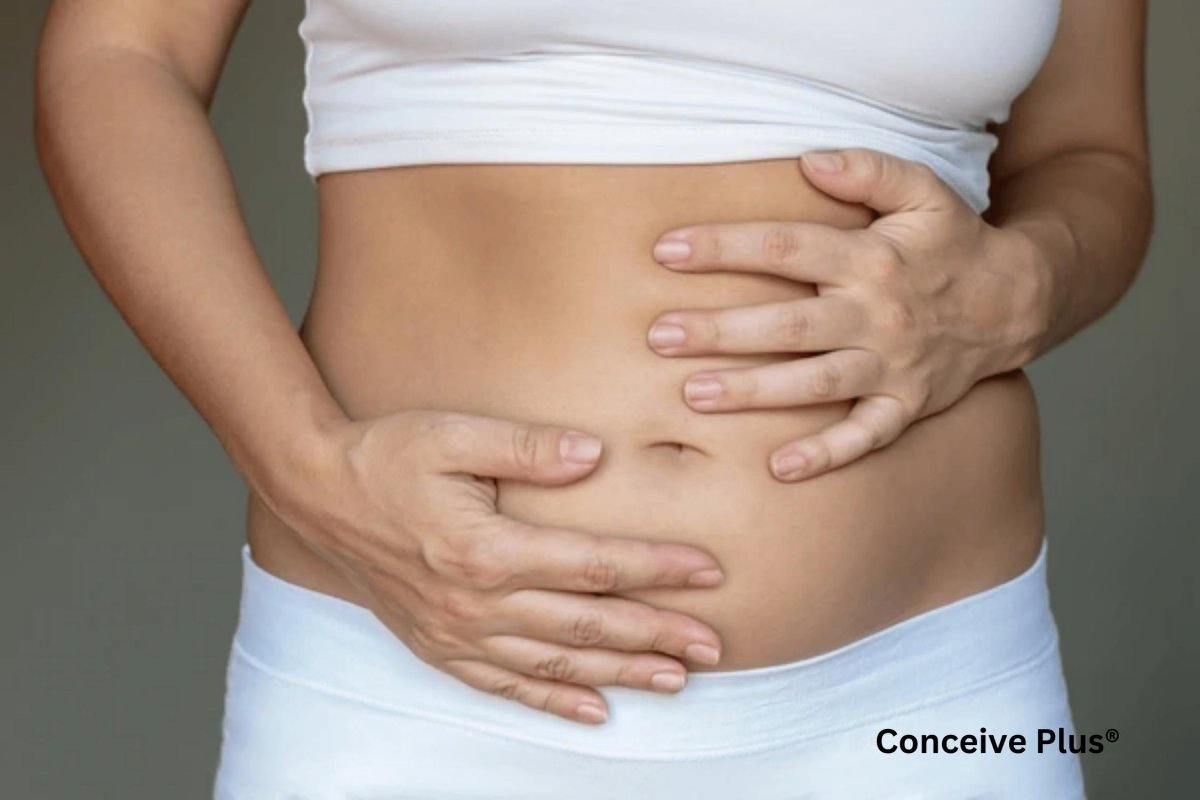

Are you feeling a bit puffy and gassy lately? Wondering if it could be more than just your usual tummy troubles? You might be experiencing one of the earliest signs of pregnancy: bloating. It’s a very common yet often overlooked symptom. Let’s find out what gas before period or pregnancy means. And if you’re trying to conceive, how is passing gas a sign of pregnancy?
What is Bloating?
Before we get into the nitty-gritty of bloating in early pregnancy, let's have a brief discussion about bloating. It’s that uncomfortable, full feeling in your belly. Your tummy feels swollen, tight, and bigger than usual while bloated. Many women experience bloating regularly, especially before their period. But when it comes to pregnancy, bloating can take on a whole new meaning.

Is Bloating a Sign of Pregnancy?
One of the most common questions from women trying to conceive- ‘Is bloating a sign of early pregnancy?’ The short answer is, YES, it can be. Bloating is often one of the earliest pregnancy symptoms, sometimes showing up even before you miss your period. But here's the tricky part: bloating can also be caused by many other things, like your diet, stress, or hormonal changes during your menstrual cycle. So, while bloating and early pregnancy often go hand in hand, it's still not a definitive sign on its own.
Gas and Pregnancy
With bloating comes gas, and it's way more than usual. This is why many women also ask- Is gas a sign of pregnancy? Again, the answer is yes, it can be. Many women report feeling gassier than usual in early pregnancy. In fact, gas early signs of pregnancy can show up pretty quickly after conception.
But what’s the reason for this gassy pregnancy sign? It’s because, during pregnancy, your body produces more of the hormone progesterone. This hormone relaxes smooth muscle tissue throughout your body, including your digestive tract. This slows down digestion. So there’s a lot of gas buildup and that uncomfortable bloated feeling [1]. While some women wonder, 'is a headache a sign of pregnancy,' it's essential to recognize that headaches can indeed occur due to hormonal changes during early pregnancy, often coupled with other symptoms like bloating or fatigue.
Is bloating A symptom of Pregnancy at 1 Week?
Some women experience extreme bloating early pregnancy 1 week after conception. This can be surprising and a little alarming. If you're feeling unusually bloated very early on, it could be a sign that your body is gearing up for the big changes ahead. However, it's important to remember that every woman and every pregnancy is different. Some might experience severe bloating, while others hardly notice any change.
Passing Wind: An Embarrassing but Common Symptom
Let's talk about something that might leave you embarrassed in public: farting. Yes, we're going there because it's a real and common issue for many pregnant women. Women looking to conceive often ask, ‘Is passing wind a sign of pregnancy?’ Or is being gassy a sign of pregnancy? Again, it certainly can be. Farting early pregnancy sign is something many women experience, even if they don't talk about it much.
If you find yourself passing gas more often than usual, don't worry. It's totally normal, and, believe it or not, it's even a good sign that your digestive system is working perfectly(albeit a bit slower than usual) [2].

✨ Think You Might Be Pregnant?
Get fast, accurate results up to 6 days before your missed period with our early detection pregnancy test.
Shop Now — $9.80✓ Free shipping on orders over $40 | ✓ Trusted by millions of couples worldwide

Gas Before the Missed Period
You might be wondering, can I experience gas in early pregnancy before missed period? Or is gas a sign of early pregnancy if your periods are not here. The answer is yes. Some women report feeling gassier than usual even before they realize they've missed their period. The gas and early pregnancy symptoms are among the most important initial hints that something is going on in your body.
Bloating vs. Pregnancy: How to Tell the Difference
Sometimes, it can be hard to tell if you're experiencing pregnancy symptoms bloating or if it's just regular bloating. Consider the following things to understand ‘can bloating be a sign of pregnancy’:
- Timing: If you're experiencing bloating around the time your period is due, it could be a sign of early pregnancy.
- Duration: Pregnancy bloating tends to stick around, unlike PMS bloating, which usually goes away once your period starts.
- Other symptoms: If bloating is accompanied by other early pregnancy signs like tender breasts, fatigue, or nausea, it might be more than just regular bloating.
Is It Just Gas, or Something More?
Is gas an early sign of pregnancy that you should pay attention to? While it can be, it's important to remember that gas alone doesn't necessarily mean you're pregnant. Is gas a sign of pregnancy in the first month? It can be, but it's not a definitive sign. If you're experiencing unusual gas or bloating along with other early pregnancy symptoms, it might be time to take a pregnancy test.
Indigestion and Heartburn: More Tummy Troubles
Along with bloating and gas, you might also experience indigestion or heartburn. Is indigestion a sign of pregnancy? Yes, it can be. Many women report experiencing heartburn early pregnancy before missed period. This is due to the same hormonal changes that cause bloating and gas.
The Fullness Factor
Another early pregnancy symptom that's related to bloating is feeling unusually full after eating. Feeling full early pregnancy is common and can start quite early on. You might find that you get full faster than usual or that the feeling of fullness lasts longer after meals.
Am I Pregnant or Just Bloated at Week 4?
We’ve been focused on early pregnancy. However, bloating can continue throughout pregnancy. Bloating in early pregnancy 4 weeks might feel different from bloating later on. In the early weeks, it's mostly due to hormonal changes. As your pregnancy progresses, the growing uterus can also contribute to that bloated feeling.
If you're experiencing unusual bloating, you might be asking yourself, Am I pregnant or bloated? This can be a tricky question to answer. Is being bloated a sign of pregnancy? While it can be, bloating alone isn't enough to confirm pregnancy. If you're wondering ‘Is feeling bloated a sign of pregnancy?" and you've missed your period, it might be time to take a pregnancy test.

When to See a Doctor
While bloating and gas are normal parts of early pregnancy, sometimes they can be signs of other issues. If you're experiencing severe pain, persistent vomiting, or other concerning symptoms along with bloating, it's always best to check with your healthcare provider.
Coping with Early Pregnancy Bloating
If you're dealing with bloating early pregnancy, here are a few tips that might help:
- Eat smaller, more frequent meals
- Stay hydrated
- Avoid foods that tend to cause gas (like beans, cabbage, and carbonated drinks)
- Get regular, gentle exercise (with your doctor's approval)
- Wear comfortable, loose-fitting clothes
Bloating can be uncomfortable, but it’s usually just a sign that your body is adapting to the amazing changes of pregnancy. If you suspect you might be pregnant, take a test and schedule an appointment with your healthcare provider. They can confirm your pregnancy and guide you through these early weeks.
Pregnancy is a journey filled with many changes, and bloating is just one of the many signs that your body is preparing for the incredible task of growing a new life. Whether you're dealing with 1 week bloat early pregnancy or you're further along, remember that every woman's experience is unique. Listen to your body, take care of yourself, and don't hesitate to reach out to your healthcare provider with any concerns.
If you're looking while trying to conceive, products like Conceive Plus Women’s Fertility Support—formulated with folate, inositol, and zinc—can help regulate hormones, reduce oxidative stress, and support overall reproductive health.
Here's to a healthy, happy pregnancy!
Resources
- Chaumont S, Quinquis L, Monnerie B, Six C, Hébel P, Chassany O, Duracinsky M, Le Nevé B. A poor diet quality is associated with more gas-related symptoms and a decreased quality of life in French adults. Br J Nutr. 2022 May 23;129(4):1-27. https://pmc.ncbi.nlm.nih.gov/articles/PMC9899566/
- American Pregnancy Association. Pregnancy Gas. Retrieved from- https://americanpregnancy.org/healthy-pregnancy/pregnancy-health-wellness/gas-during-pregnancy/
🌱 Get Answers Early
Millions of women trust Conceive Plus for their fertility journey. Clinically validated pregnancy tests delivered to your door.
Shop Pregnancy Tests →Frequently Asked Questions
Recommended by Fertility Experts
Conceive Plus Fertility Supplements
Science-backed vitamins and supplements expertly formulated to nourish your body and support reproductive health at every stage.
Shop Now →Q: Is bloating a sign of early pregnancy or just PMS?
A: Both early pregnancy and premenstrual syndrome (PMS) can cause bloating, making it challenging to distinguish between the two. According to the American College of Obstetricians and Gynecologists (ACOG), bloating occurs in approximately 60% of pregnant women during the first trimester due to increased progesterone levels, which slow digestion. The key difference is that pregnancy-related bloating typically persists beyond your expected period, while PMS bloating usually subsides once menstruation begins. If you're trying to conceive and experiencing persistent bloating along with other symptoms like breast tenderness or fatigue, taking a pregnancy test 12-14 days after ovulation can provide a definitive answer. Maintaining optimal nutrition through a balanced diet and supplements like Conceive Plus can support your overall reproductive health during the conception journey.
Q: When does bloating start in pregnancy?
A: Bloating can begin as early as the first two weeks after conception, though many women don't notice it until 4-8 weeks into pregnancy when hormonal changes are more pronounced. The American Society for Reproductive Medicine (ASRM) notes that progesterone production increases immediately after ovulation, and this hormone significantly impacts your digestive system by relaxing smooth muscles in the gastrointestinal tract. This slowdown in digestion leads to increased gas production and the characteristic bloated feeling that many women report as one of their earliest pregnancy symptoms. For women tracking their cycle while trying to conceive, bloating that appears shortly after ovulation and persists is worth noting as a potential sign. Staying hydrated and maintaining proper nutrient absorption through quality prenatal supplementation can help manage bloating discomfort.
Q: How long does pregnancy bloating last?
A: Pregnancy bloating typically peaks during the first trimester and early second trimester, generally lasting until around 12-16 weeks of pregnancy, though some women experience it throughout their entire pregnancy. The severity often depends on individual digestive sensitivity and hormone levels, with progesterone continuing to affect digestion throughout pregnancy. According to pregnancy health resources, bloating may temporarily decrease around weeks 12-14 as your body adjusts to hormonal changes, but can return or persist due to the growing uterus putting pressure on your digestive organs. After delivery, most women notice bloating resolves within 2-3 weeks as hormone levels normalize. If you're in the early stages of trying to conceive, understanding these timeline expectations can help you recognize whether symptoms are pregnancy-related or cyclical.
Q: Can I reduce pregnancy bloating naturally?
A: Yes, several natural methods can help reduce pregnancy bloating, including increasing fiber intake gradually, drinking plenty of water (at least 8-10 glasses daily), eating smaller and more frequent meals, and incorporating gentle physical activity like walking. The American Pregnancy Association recommends avoiding foods that trigger gas, such as cruciferous vegetables and carbonated beverages, while maintaining a diet rich in probiotics from yogurt and fermented foods to support healthy digestion. Prenatal vitamins and fertility supplements that support digestive health can also play a beneficial role—Conceive Plus's formulations are designed with ingredients that support overall reproductive and digestive wellness during conception and early pregnancy. Gentle abdominal massage, lying on your left side, and staying physically active can all promote better digestion and reduce uncomfortable bloating. Consulting with your healthcare provider before making significant dietary changes ensures recommendations align with your individual health needs.
Q: Should I be concerned if I have severe bloating in early pregnancy?
A: While mild bloating is a normal part of early pregnancy, severe bloating that causes significant pain or is accompanied by vomiting, diarrhea, or constipation warrants a call to your healthcare provider. According to ACOG guidelines, severe gastrointestinal symptoms could indicate conditions like ovarian torsion, ectopic pregnancy, or other complications that require medical evaluation. Most cases of pregnancy bloating are manageable through dietary adjustments and lifestyle modifications, but your doctor can rule out any underlying concerns and recommend safe treatment options. If you're in the early stages of trying to conceive and experience any alarming symptoms, it's always better to consult with your healthcare provider rather than wait. Maintaining overall wellness through proper nutrition and quality supplements supports both conception and early pregnancy health.
Trusted by Couples in Over 70 Countries
Nourish Your Fertility With Science-Backed Supplements
The right nutrients at the right time can make a meaningful difference. Conceive Plus fertility supplements are expertly formulated with vitamins, minerals, and botanicals to support reproductive health for both men and women.
Shop Fertility Supplements →