Best Zinc for Testosterone: Boosting Male Fertility Naturally
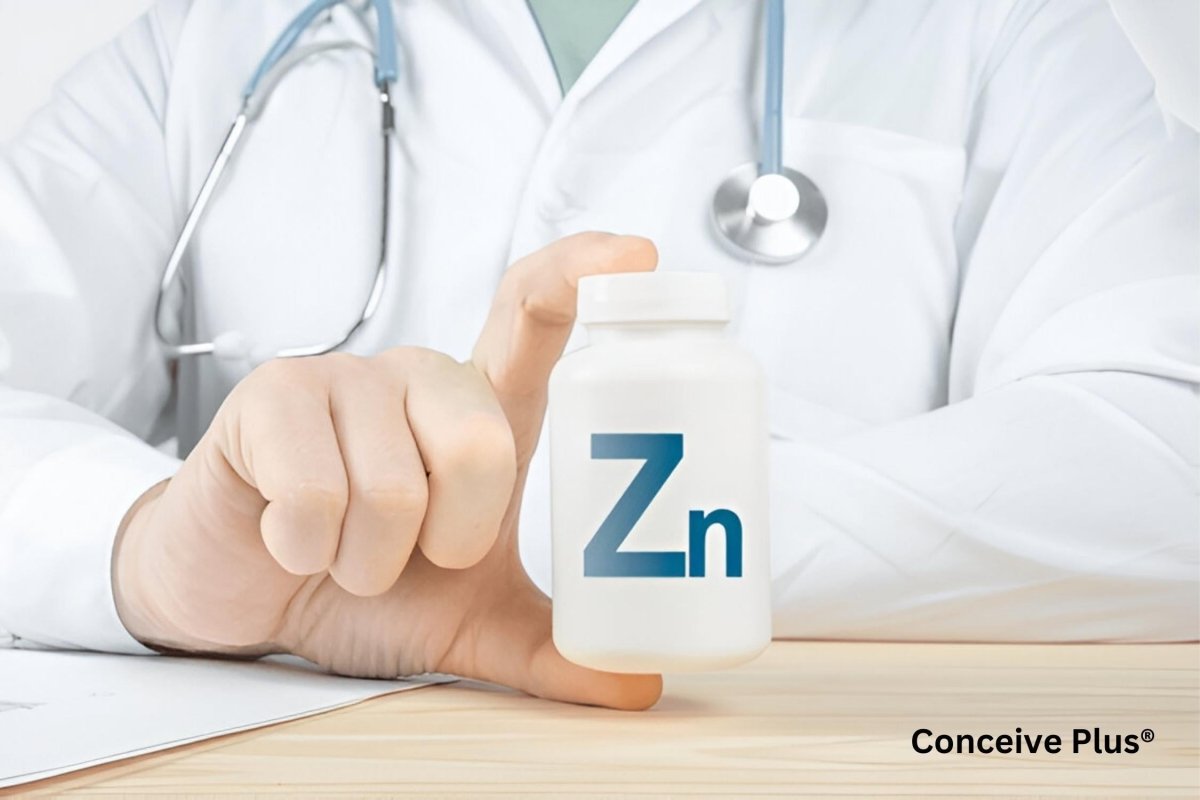

Testosterone is the primary male sex hormone essential for male characteristics and reproduction. For many couples trying to conceive, low testosterone levels in the male partner is the primary reason behind infertility [1].
Testosterone directly impacts sperm production and sex drive, which makes it very important for men trying to conceive [2]. Testosterone levels can decrease due to many factors, such as aging, poor diet and lifestyle, and environment.
There are many treatment options to achieve increased testosterone levels. Besides treatments, a natural way to improve testosterone is by taking fertility nutrients, such as zinc. Scientific reports show that zinc regulates testosterone production and helps in boosting male fertility [3].
Since there are different forms of zinc supplements, the question here is, What is the best zinc for testosterone?

How Does Zinc Improve Testosterone Levels?
Aromatase is an enzyme in the human body that converts testosterone into estrogen. Different factors, such as age, obesity, and chronic alcohol use, increase aromatase activity, resulting in a higher conversion of testosterone into estrogen. This can lead to decreased testosterone levels. When testosterone levels drop, it causes fertility issues like low sex drive and poor sperm health.
Zinc is an essential mineral that plays a vital role in maintaining healthy testosterone levels by inhibiting the activity of aromatase enzymes [4]. This results in decreased testosterone conversion and increased testosterone production.
A 2023 study published in the National Library of Medicine shows that zinc deficiency in males is often associated with low testosterone levels [3]. On the other hand, evidence shows that adequate zinc intake can increase testosterone and improve sperm quality.
Best Form of Zinc For Testosterone
You will not get the same type of zinc from all the zinc supplements, as they are all created differently. Your body can absorb some forms of zinc better than others. Better absorbing zinc types are considered as the best zinc supplements for male fertility.
Here are the best types of zinc for you if you want to raise your testosterone levels naturally.
-
Zinc Picolinate
Your body can absorb zinc picolinate in the highest concentration compared to other forms of zinc. It binds zinc to picolinic acid, which allows its easy absorption in the body [5].
Because of efficient absorption, zinc picolinate is highly effective in raising serum testosterone levels. Zinc picolinate is the best zinc supplement for testosterone boost which people with zinc deficiency and low testosterone can take.
-
Zinc Citrate
Zinc citrate is also an easy-to-absorb type of zinc and is considered among the best types of zinc for testosterone. This form of zinc is also easy to process by the stomach and doesn't cause side effects such as stomach irritation, which you may experience from other forms.
Good absorption and stomach-friendly nature make it a reliable option to treat zinc deficiency and boost testosterone production.
-
Zinc Gluconate
Zinc gluconate is one of the most commonly available forms of zinc in over-the-counter multivitamin supplements. Its absorption rate is low compared to zinc picolinate and citrate, but it is still a good option for improving testosterone levels.
Zinc gluconate is affordable and widely available, which also makes it a convenient choice for many men. Taking fertility supplements that combine zinc with other essential nutrients can effectively boost testosterone levels and support male fertility.

✨ Trying to Conceive?
Our Ovulation & Fertility Bundle combines Myo-Inositol with essential vitamins to support healthy hormone balance and regular ovulation.
Shop Now — $55.00✓ Free shipping on orders over $40 | ✓ Trusted by millions of couples worldwide

Other Nutrients For Testosterone and Fertility Health
There are other nutrients that also play a role in supporting male fertility and reproductive health. You can combine these nutrients with zinc to maximize fertility benefits. These are:
-
Vitamin D
Vitamin D is important for regulating testosterone levels. A 2023 study reveals that men with higher vitamin D levels tend to have higher testosterone levels as well [6]. The study further shows that a deficiency in vitamin D can negatively affect testosterone production.
Vitamin D and zinc work together in supporting healthy testosterone levels, so it's important to maintain adequate levels of both nutrients.
-
Magnesium
Magnesium is also a vital nutrient for testosterone production. Magnesium plays a role in the synthesis of testosterone and promotes muscle recovery, which is important for overall male health. These properties make magnesium a common ingredient in most fertility supplements.
-
Omega-3 Fatty Acids
Omega-3 fatty acids are a healthy fat that can support overall reproductive health. Studies show that they can improve sperm quality and support testosterone levels [7]. You can expect improved fertility outcomes by combining omega-3 supplements with zinc.
-
Selenium
Evidence shows that selenium is essential for the production of healthy sperm [8]. You can take it with zinc to support reproductive health. Selenium can help improve sperm quality, making it a common ingredient in supplements for male fertility. Additionally, some herbs for increase sperm count may complement zinc supplementation to enhance male fertility.
Recommended Zinc Dosage For Fertility Benefits
The daily recommended intake of zinc for men is about 11 mg [9]. However, it is common to take a higher dose, somewhere between 15 mg to 30 mg per day, if your goal is to improve testosterone levels and enhance fertility.
It is also advised not to exceed 40 mg of zinc daily, as too much zinc can lead to negative side effects such as nausea, reduced immune function, and long term zinc malabsorption in the body.
Experts recommend that you take zinc or other fertility supplements with food or a glass full of water. Doing so can apparently lower the chances of side effects and improve absorption of these nutrients in the body.

The Bottom Line
Lower levels of testosterone impact sperm quality and reduce the chances of conception. There are many medical management options for increasing testosterone levels. Taking nutrients in the form of supplements is a natural way to boost testosterone levels and it shows promising results.
Zinc is a nutrient present in most fertility supplements because of its role in testosterone production. Among different types of zinc, zinc picolinate, citrate, and gluconate are the best-absorbing zinc types. This makes them the best zinc for testosterone and overall fertility health.
Resources Used
- Di Guardo, F., Vloeberghs, V., Bardhi, E., Blockeel, C., Verheyen, G., Tournaye, H., & Drakopoulos, P. (2020). Low Testosterone and Semen Parameters in Male Partners of Infertile Couples Undergoing IVF with a Total Sperm Count Greater than 5 Million. Journal of clinical medicine, 9(12), 3824. https://doi.org/10.3390/jcm9123824
- Nassar, G. N., & Leslie, S. W. (2023d, January 2). Physiology, Testosterone. StatPearls - NCBI Bookshelf. https://www.ncbi.nlm.nih.gov/books/NBK526128/
- Te, L., Liu, J., Ma, J., & Wang, S. (2023). Correlation between serum zinc and testosterone: A systematic review. Journal of trace elements in medicine and biology : organ of the Society for Minerals and Trace Elements (GMS), 76, 127124. https://doi.org/10.1016/j.jtemb.2022.127124
- Daragó, A., Klimczak, M., Stragierowicz, J., Stasikowska-Kanicka, O., & Kilanowicz, A. (2020). The Effect of Zinc, Selenium, and Their Combined Supplementation on Androgen Receptor Protein Expression in the Prostate Lobes and Serum Steroid Hormone Concentrations of Wistar Rats. Nutrients, 12(1), 153. https://doi.org/10.3390/nu12010153
- Birdsall, T. (1996b). Zinc picolinate: Absorption and supplementation. ResearchGate. https://www.researchgate.net/publication/286596250
- Monson, N. R., Klair, N., Patel, U., Saxena, A., Patel, D., Ayesha, I. E., & Nath, T. S. (2023). Association Between Vitamin D Deficiency and Testosterone Levels in Adult Males: A Systematic Review. Cureus, 15(9), e45856. https://doi.org/10.7759/cureus.45856
- Ito, A., Yamamoto, S., Inoue, Y., Fukunaga, A., Nanri, A., Konishi, M., Yamamoto, S., Nakagawa, T., & Mizoue, T. (2024). Current developments in nutrition, 8(4), 102133. https://doi.org/10.1016/j.cdnut.2024.102133
- Boitani, C., & Puglisi, R. (2009). Selenium, a Key Element in Spermatogenesis and Male Fertility. Advances in Experimental Medicine and Biology, 65–73. https://doi.org/10.1007/978-0-387-09597-4_4
- Mayo Clinic. (2023, June 14). Zinc. Mayo Clinic. https://www.mayoclinic.org/drugs-supplements-zinc/art-20366112
🌱 Support Your Fertility Journey
Conceive Plus fertility supplements are clinically formulated to help regulate your cycle and support egg quality.
Shop Fertility Support →Frequently Asked Questions
Recommended by Fertility Experts
Conceive Plus Men's Fertility Support
Designed to support healthy sperm production, motility, and overall male reproductive health with clinically studied nutrients.
Shop Now →How much zinc should men take daily to improve testosterone and fertility?
The recommended dietary allowance (RDA) for zinc in adult men is 11 mg per day, according to the National Institutes of Health. For fertility purposes, studies have used doses ranging from 25-50 mg daily, but it's important to consult with a healthcare provider or fertility specialist before exceeding the RDA, as excessive zinc intake can interfere with copper absorption and cause other health issues. The American Society for Reproductive Medicine (ASRM) recommends working with a fertility clinic to determine the appropriate dosage based on individual needs and baseline zinc levels.
Can zinc supplements alone treat male infertility, or are other treatments needed?
While zinc plays an important role in testosterone production and sperm quality, it is typically most effective as part of a comprehensive fertility plan rather than as a standalone treatment. Male infertility can have multiple causes including varicocele, genetic factors, infections, or severe hormonal imbalances that may require additional medical interventions. It's recommended to work with a reproductive endocrinologist or fertility clinic to diagnose the underlying cause of infertility and determine whether zinc supplementation should be combined with other treatments like lifestyle modifications, medications, or assisted reproductive procedures.
Are there any side effects or interactions with zinc supplements for male fertility?
High doses of zinc can cause nausea, copper deficiency, immune dysfunction, and neurological issues, which is why staying within recommended limits is important. Zinc may interact with certain medications including antibiotics and bisphosphonates, so it's essential to inform your healthcare provider about any supplements you're taking. If you have a pre-existing health condition or take regular medications, consult with your doctor or a fertility specialist before starting zinc supplementation to ensure it's safe for your individual situation.
How long does it take for zinc supplements to improve testosterone and sperm quality?
Improvements in testosterone levels and sperm parameters typically take 2-3 months of consistent zinc supplementation, as this aligns with the approximately 74-day cycle of sperm production (spermatogenesis). Some men may notice changes in libido or energy levels within 4-6 weeks, but measuring actual improvements in sperm count and motility requires semen analysis testing performed by a fertility clinic. Your healthcare provider can recommend appropriate follow-up testing to assess whether zinc supplementation is effectively improving your fertility markers.
Does insurance cover zinc supplements for male fertility treatment?
Most health insurance plans do not cover over-the-counter zinc supplements, as they are classified as dietary supplements rather than prescription medications and are not FDA-approved as fertility treatments. However, if a fertility specialist prescribes zinc as part of a comprehensive fertility treatment plan, you may want to check with your insurance provider about coverage options. Some fertility clinics offer in-house supplement recommendations or may have partnerships with supplement companies that offer discounted pricing for patients undergoing fertility treatment.
Should I get a zinc level test before starting supplementation?
Yes, getting a baseline zinc level test is beneficial before starting supplementation, as it helps determine whether you actually have a zinc deficiency contributing to low testosterone. Some fertility clinics and reproductive endocrinologists offer comprehensive micronutrient testing as part of their male fertility evaluation, which can identify specific nutritional deficiencies. Testing ensures you're taking the right dose and helps your healthcare provider monitor whether supplementation is effective in raising your levels to the optimal range for fertility.
What foods are high in zinc if I prefer dietary sources over supplements?
Excellent dietary sources of zinc include oysters and other shellfish, beef, poultry, beans, nuts, seeds, and whole grains, which can help meet your daily zinc needs without supplementation. Some men may find it challenging to consume adequate zinc through diet alone, particularly if they have dietary restrictions or digestive issues that affect mineral absorption. A fertility nutritionist or your doctor can help you determine whether dietary zinc intake is sufficient or if supplementation is necessary to support testosterone production and male fertility.
Trusted by Couples in Over 70 Countries
Support Male Fertility From the Inside Out
Male fertility is just as important as female fertility in the conception journey. Conceive Plus Men's range delivers targeted nutritional support to promote healthy sperm and overall reproductive wellbeing.
Shop Men's Range →