Best Fertility Supplements for Women: What to Take When Trying to Conceive


Navigating the world of fertility supplements can feel overwhelming. Walk into any health food store or search online and you will encounter hundreds of products making bold promises. For women trying to conceive, the challenge is not finding supplements — it is knowing which ones are backed by genuine clinical evidence and which are simply riding the fertility supplement marketing wave.
This guide cuts through the noise. Drawing on peer-reviewed research, clinical trials, and specialist fertility guidance, we examine the nutrients and compounds that have demonstrated real benefit for female fertility, explain how they work, and help you understand what to look for when choosing a supplement.
The Scientific Case for Fertility Supplements
Before diving into individual nutrients, it is worth understanding why supplementation is relevant in the first place. Despite living in an era of nutritional abundance, most people do not come close to optimal micronutrient intake through diet alone. A 2022 analysis in Nutrients found that more than 40% of adults in developed countries fall short of recommended intakes for vitamin D, folate, magnesium, and zinc — all nutrients directly involved in reproductive function.
For women trying to conceive, the stakes are high. Egg quality is influenced by the nutritional environment in the months leading up to ovulation — a period known as the follicular phase. Eggs take approximately 90 days to mature from primary follicle to ovulation. The nutrients available during this window meaningfully affect the quality of the egg that is ultimately released. This is why fertility specialists typically recommend beginning fertility supplementation at least three months before actively trying to conceive.
Optimise Your Body for Conception
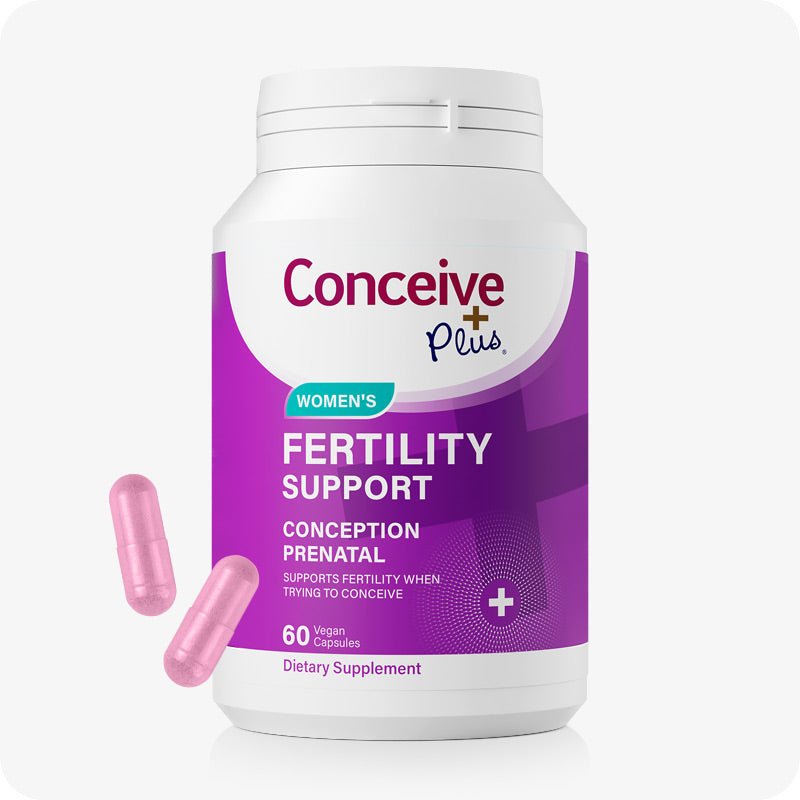
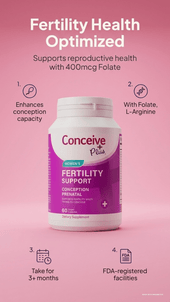
Conceive Plus Women's Fertility Support provides the evidence-based nutrients your body needs for healthy ovulation and egg quality — including methylfolate, myo-inositol, CoQ10, vitamin D3, and zinc.
Folate and Methylfolate: The Non-Negotiable Foundation
Folate — and specifically its active form, methylfolate (5-MTHF) — is universally regarded as the single most important nutrient for women who are or may become pregnant. Its role in preventing neural tube defects is well established. Less well known is its critical importance for egg quality and early embryo development.
Folate is essential for DNA synthesis and cell division. Every cell division — and early embryonic development involves rapid, continuous cell division — requires adequate folate. Deficiency is associated with chromosomal abnormalities in eggs, early miscarriage, and failed implantation.
Many women have a common genetic variant in the MTHFR gene that impairs their ability to convert synthetic folic acid into the active methylfolate form. Studies suggest that up to 40% of the population carries this variant. For these women, synthetic folic acid supplements provide significantly less benefit — and may even accumulate as unmetabolised folic acid, which some research associates with immune dysregulation.
This is why high-quality fertility supplements now use methylfolate (5-MTHF) rather than synthetic folic acid. The recommended dose is 400 to 800 micrograms daily, though women with MTHFR variants or previous neural tube defect pregnancies may be advised to take higher doses under medical supervision.
Coenzyme Q10 (CoQ10): The Egg Quality Powerhouse
CoQ10 is one of the most extensively studied fertility supplements, and for good reason. As a vital component of mitochondrial energy production, CoQ10 plays a central role in the energy-intensive process of egg maturation and early embryo division.
Eggs are among the most energy-demanding cells in the human body. The fertilisation process, the completion of meiotic division, and the first days of embryo development all require enormous amounts of ATP — the cellular energy currency produced by mitochondria. CoQ10 is a rate-limiting factor in mitochondrial ATP production. When CoQ10 levels decline, as they naturally do with age, egg energy metabolism suffers.
A landmark study published in Aging Cell by researchers at Toronto General Hospital demonstrated that CoQ10 supplementation in older mice significantly improved egg quality and reproductive outcomes. A subsequent randomised controlled trial in women with poor ovarian response undergoing IVF found that CoQ10 supplementation (600 mg/day) improved fertilisation rates and embryo quality compared to placebo.
For most women, a daily dose of 200 to 600 mg of ubiquinol (the reduced, more bioavailable form of CoQ10) is recommended. Ubiquinol is preferred over ubiquinone, particularly in women over 35, as conversion efficiency declines with age.
Myo-Inositol: The PCOS Game-Changer
Myo-inositol has emerged as one of the most significant developments in fertility nutrition over the past decade, particularly for women with polycystic ovary syndrome (PCOS). Inositol is a naturally occurring sugar alcohol found in cell membranes, with particularly high concentrations in follicular fluid surrounding eggs.
Myo-inositol functions as a key insulin signalling mediator. In women with PCOS — where insulin resistance is a central feature — inositol supplementation improves insulin sensitivity, reduces androgen levels, and restores regular ovulation. A meta-analysis of randomised controlled trials published in Reproductive Biology and Endocrinology found that myo-inositol supplementation significantly improved ovulation rate, menstrual cycle regularity, and pregnancy rates in women with PCOS compared to placebo.
Beyond PCOS, myo-inositol supports egg quality in all women. It is a component of the intracellular signalling pathways that regulate meiotic maturation — the process by which eggs complete division before fertilisation. Higher follicular fluid concentrations of inositol are associated with better-quality eggs and higher IVF success rates.
The standard evidence-based dose is 4,000 mg of myo-inositol per day, often combined with 200 mg of D-chiro-inositol in a 40:1 ratio — the ratio found naturally in the body.
A Complete Fertility Support System for Both Partners
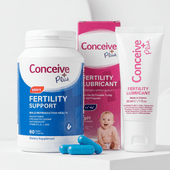
When both partners optimise their nutrition, conception chances improve significantly. Conceive Plus offers a complete range of scientifically formulated fertility supplements for women and men — plus our fertility-friendly lubricant.
Vitamin D: The Fertility Vitamin Most Women Are Deficient In
Vitamin D deficiency is extraordinarily prevalent — affecting an estimated one billion people globally — and its consequences for fertility are only beginning to be appreciated. Vitamin D receptors are found throughout the female reproductive system, including in the ovaries, uterus, fallopian tubes, and endometrium.
A systematic review and meta-analysis published in Human Reproduction Update found that women with sufficient vitamin D levels had significantly higher clinical pregnancy rates in IVF compared to deficient women. Research also shows associations between vitamin D deficiency and increased risk of endometriosis, polycystic ovary syndrome, and uterine fibroids — all conditions that can impair fertility.
Vitamin D influences the expression of genes involved in implantation. It modulates the immune environment of the uterus to create the immunological tolerance required for embryo acceptance. It also regulates folliculogenesis and steroidogenesis — the processes of follicle development and hormone production in the ovaries.
The optimal blood level for fertility is considered to be 40 to 60 ng/mL (100 to 150 nmol/L). Many fertility specialists recommend doses of 2,000 to 4,000 IU daily for women trying to conceive, though individual needs vary based on baseline levels, sun exposure, and skin pigmentation. Testing before supplementing allows for precise dosing.
Omega-3 Fatty Acids: Essential for Egg Health and Uterine Receptivity
Omega-3 fatty acids — specifically EPA (eicosapentaenoic acid) and DHA (docosahexaenoic acid) — are essential components of cell membranes throughout the body, with particular importance in reproductive cells. They are classified as "essential" because the human body cannot synthesise them efficiently and must obtain them through diet or supplementation.
For female fertility, omega-3s serve multiple critical functions. They are incorporated into egg cell membranes, influencing membrane fluidity and receptor function. A prospective cohort study published in the Journal of Clinical Endocrinology & Metabolism found that higher omega-3 status was associated with better ovarian reserve — as measured by antral follicle count and anti-Müllerian hormone (AMH) levels.
Omega-3s also have potent anti-inflammatory effects, which are relevant for conditions like endometriosis and PCOS that involve chronic inflammation. They reduce prostaglandin synthesis and modulate the inflammatory cascade in uterine tissue, improving endometrial receptivity.
Most fertility-focused nutritionists recommend 1,000 to 3,000 mg of combined EPA and DHA daily, from a high-quality, molecularly distilled fish oil or algae-based source for vegetarians and vegans.
Iron: Often Overlooked, Critically Important
Iron deficiency affects more than two billion people worldwide, and it has a direct impact on fertility that is often underappreciated. Even subclinical iron deficiency — where anaemia has not yet developed — can impair ovarian function and egg maturation.
A large prospective cohort study following more than 18,000 women, published in Obstetrics and Gynecology, found that women who supplemented with iron had a 40% lower risk of ovulatory infertility compared to non-supplementers. Iron is essential for the function of ribonucleotide reductase, the enzyme responsible for DNA synthesis in dividing cells — including rapidly dividing early embryos.
Non-haem iron from plant sources is significantly less bioavailable than haem iron from animal sources. Women following vegetarian or vegan diets, or those with heavy menstrual bleeding, are at particular risk of deficiency. Testing ferritin (stored iron) is more informative than standard haemoglobin testing for identifying subclinical deficiency.
Zinc: The Ovulation Mineral
Zinc is involved in more than 300 enzymatic reactions in the body, and its relevance to female fertility is substantial. Zinc concentrations in follicular fluid are particularly high, and they increase dramatically in the hours before ovulation — a process known as the "zinc spark." This surge of zinc release is directly involved in completing meiotic division and preparing the egg for fertilisation.
Research published in Science confirmed that zinc sparks are necessary for normal egg maturation. When zinc availability is inadequate, eggs exhibit impaired development, abnormal chromosome segregation, and reduced viability. Zinc also supports progesterone production — the hormone that prepares and maintains the uterine lining for implantation.
The recommended daily intake of zinc during preconception is 8 mg, but many fertility supplements include 15 to 25 mg to account for absorption efficiency. Zinc from food sources like oysters, beef, pumpkin seeds, and legumes should be the primary source, with supplementation filling the gap.
Vitamin C and E: Antioxidant Protection for Egg Quality
Oxidative stress — an imbalance between free radical production and the body's antioxidant defences — is increasingly recognised as a significant contributor to infertility. Free radicals damage DNA, lipids, and proteins in developing eggs. The follicular fluid surrounding eggs contains a rich mixture of antioxidants, suggesting this protection is critical.
Vitamins C and E are among the most studied antioxidant nutrients in fertility research. They work synergistically — vitamin C is water-soluble and operates in the aqueous environment of cells, while vitamin E is fat-soluble and protects cell membranes. Together, they provide comprehensive antioxidant coverage.
A meta-analysis published in Human Reproduction found that combined antioxidant supplementation (including vitamins C and E) was associated with significantly improved clinical pregnancy rates in women undergoing fertility treatments. For women trying to conceive naturally, reducing oxidative damage to eggs can meaningfully improve the chances of successful fertilisation and early embryo development.
How to Choose a High-Quality Fertility Supplement
With the evidence base clearly established, the next challenge is navigating the supplement market to find products that actually deliver what they promise. Here are the key criteria to evaluate:
Methylfolate, not folic acid: Look for 5-MTHF (methylfolate) to bypass the MTHFR conversion barrier that affects many women. Standard folic acid is a less effective form for a significant proportion of the population.
Ubiquinol, not ubiquinone: The reduced form of CoQ10 is significantly more bioavailable and requires no conversion by the body. It is especially important for women over 35.
Meaningful doses: Compare the doses in your supplement against those used in clinical trials. Many mainstream prenatal vitamins contain token amounts of key nutrients — 50 mg CoQ10 rather than the 200 to 600 mg shown effective in research, for example.
Third-party testing: Look for supplements with NSF, USP, or Informed Sport certification, which verify that products contain what is stated on the label and are free from contaminants.
Transparent ingredient lists: Avoid proprietary blends that obscure individual ingredient doses. You cannot evaluate a supplement if you cannot see how much of each ingredient it contains.
Timing and Duration of Supplementation
The timing of fertility supplementation is as important as the nutrients themselves. Since eggs take approximately 90 days to mature, the nutritional environment three months before ovulation directly influences egg quality. Fertility specialists almost universally recommend beginning supplementation at least three months before trying to conceive — ideally before stopping contraception.
For most women, continuing supplementation throughout the first trimester is recommended, as critical embryonic development occurs during this period. Many women continue prenatal supplementation throughout pregnancy.
Supplements are not an alternative to a healthy diet — they are designed to fill nutritional gaps in an already good dietary pattern. The Mediterranean dietary approach, rich in vegetables, legumes, whole grains, nuts, olive oil, and lean protein, provides an excellent nutritional foundation to supplement around.
Frequently Asked Questions
Q: When should I start taking fertility supplements?
Fertility specialists recommend beginning at least 3 months before trying to conceive, as eggs take approximately 90 days to mature. Starting earlier gives nutrients time to reach optimal levels and supports egg quality during the crucial maturation period.
Q: Is methylfolate better than folic acid for fertility?
Yes, for many women. Methylfolate (5-MTHF) is the active, bioavailable form that does not require conversion by the body. Up to 40% of people carry MTHFR gene variants that impair folic acid conversion, making methylfolate a more reliable choice.
Q: How much CoQ10 should I take for fertility?
Clinical studies have used doses ranging from 200 to 600 mg of CoQ10 (preferably as ubiquinol) for fertility support. Women over 35 tend to benefit from higher doses due to natural age-related decline in CoQ10 levels.
Q: Can fertility supplements help with egg quality?
Yes. Nutrients like CoQ10, methylfolate, myo-inositol, vitamin D, and omega-3s are involved in egg maturation, DNA synthesis, and energy production within eggs. Clinical evidence supports their role in improving egg quality markers.
Q: Do I need a fertility supplement if I already eat well?
Most people do not consistently meet optimal micronutrient levels through diet alone. A targeted fertility supplement fills nutritional gaps and ensures key nutrients — particularly methylfolate, vitamin D, CoQ10, and omega-3s — are available at levels that support reproductive function.
Q: How long do fertility supplements take to work?
Because eggs take about 90 days to mature, the effects on egg quality take at least 3 months to fully manifest. Some benefits — like improved energy, hormonal balance, and cycle regularity — may be noticed sooner.
Q: Is myo-inositol only for women with PCOS?
No. While myo-inositol shows particularly pronounced benefits in women with PCOS, it also supports egg quality and meiotic maturation in all women. Higher follicular fluid inositol concentrations are associated with better egg quality regardless of PCOS status.
Q: Are fertility supplements safe?
Most evidence-based fertility supplements are safe at recommended doses. Always choose reputable brands with third-party testing, and consult your doctor or gynaecologist before starting supplementation, especially if you have existing medical conditions or are taking medications.
Q: What is the difference between prenatal vitamins and fertility supplements?
Prenatal vitamins focus on supporting a developing pregnancy and preventing deficiencies. Fertility supplements are specifically formulated to support egg quality, hormonal balance, and reproductive function before conception. Some products bridge both purposes.
Q: Can I take fertility supplements while undergoing fertility treatment?
Many fertility specialists actively recommend key supplements — particularly CoQ10, methylfolate, and vitamin D — as adjuncts to IVF and IUI. Always discuss with your fertility clinic before adding supplements during treatment, as some may interact with medications.
Conclusion
The evidence for targeted fertility supplementation is compelling. Nutrients like methylfolate, CoQ10, myo-inositol, vitamin D, omega-3s, iron, zinc, and antioxidants are not marketing inventions — they are biologically essential compounds with documented roles in egg quality, hormonal balance, and successful conception.
The key is choosing products that contain the right forms of nutrients at clinically meaningful doses, ideally beginning supplementation at least three months before trying to conceive. Pair supplementation with a nutrient-dense diet, regular physical activity, stress management, and regular sleep for a comprehensive approach to fertility optimisation.
Your reproductive journey deserves evidence-based support. Start with the nutrients that matter most, choose quality over price, and give your body the time it needs to respond.
Optimise Your Body for Conception
Conceive Plus Women's Fertility Support provides the evidence-based nutrients your body needs for healthy ovulation and egg quality — including methylfolate, myo-inositol, CoQ10, vitamin D3, and zinc.