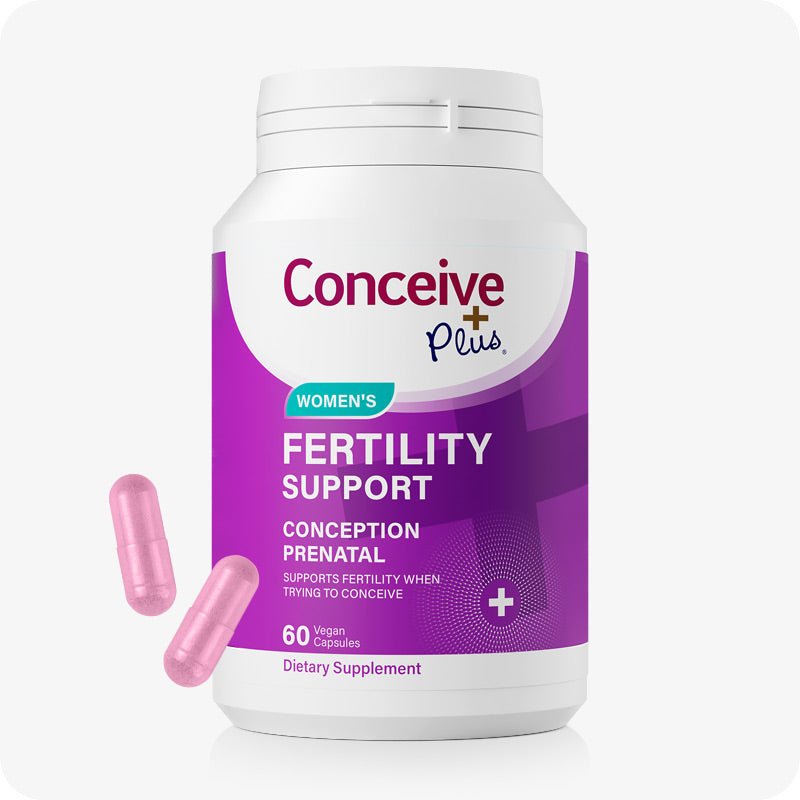
Balance Vitamins: Elevate Your Wellness and Nutrition


Striving for optimal health has never been more popular, yet the abundance of wellness trends can leave many individuals feeling uncertain about where to begin. From elaborate diet plans to intense fitness regimens, it is easy to get distracted by confusing or conflicting information. Amid these varied approaches, vitamins and minerals stand out as cornerstones of a thriving body, particularly when it comes to balance vitamins. By understanding how micronutrients interact with diet, exercise, and lifestyle factors, people can chart a clearer course toward a healthier, more fulfilling life. This comprehensive exploration will address what contributes to balanced nutrition, why vitamins matter, how to make strategic choices in supplementation, and how to avoid the common pitfalls that can undermine progress.

Building a Strong Dietary Foundation
Establishing a sound eating pattern is a crucial first step. The body thrives on consistent nourishment from whole foods like fruits, vegetables, whole grains, lean proteins, and healthy fats. Such staples deliver essential macronutrients—proteins, fats, and carbohydrates—while also offering a diverse range of vitamins and minerals. For example, leafy greens such as spinach or kale provide vitamin K, an element often overlooked yet vital for healthy bones and blood clotting. Meanwhile, citrus fruits boast vitamin C, essential for collagen production and immune function. When these foods form the basis of daily meals, the result is a solid nutritional foundation supporting both short-term energy and long-term resilience [1].
Addressing Gaps in Nutrition
Although a healthy diet goes a long way, there are instances when dietary gaps emerge. Certain life phases, such as pregnancy or advanced age, can increase demands for particular nutrients. Moreover, individuals with unique dietary preferences—like vegans or those with food sensitivities—may find it challenging to acquire the right amounts of key vitamins and minerals consistently. This is where a carefully selected regimen can prove invaluable. Modern health stores offer a dizzying array of pills, gummies, and powders, each claiming to boost energy, strengthen immunity, or fill elusive nutrient voids. Knowing precisely what the body needs, however, takes some investigation. Consulting a healthcare professional, reviewing blood test results, or researching the specific role of various vitamins can help clarify which supplements could genuinely help and which may be unnecessary [2].
Choosing Optimal Forms and Understanding Synergy
Alongside identifying these unique needs, awareness of the forms and bioavailability of vitamins is also beneficial. Not all formulations deliver the same level of efficacy. For example, certain minerals like iron may cause discomfort if taken at high doses in an easily absorbed format, whereas milder versions may be gentler on the system. Vitamins such as B12 appear in different molecular structures, and some people absorb synthetic forms better than natural ones. Researching or speaking to a pharmacist can uncover the subtleties that determine how well a compound will be assimilated [3].
Sometimes, the presence of one nutrient enhances or limits the absorption of another. For instance, calcium can interfere with iron uptake if taken simultaneously. Consuming antioxidants like vitamin E or vitamin C could bolster the body’s defenses against free radicals, yet these same antioxidants might reduce the effectiveness of certain medications. This does not mean vitamins are dangerous; it simply underscores the complexity of the human body. By scheduling supplements at optimal times or pairing them with foods that optimize their absorption, people can refine the impact of each dose [4].

✨ Start Your Prenatal Care Today
Our Prenatal Vitamins with DHA, Choline & Folate provide the essential nutrients you and your baby need for a healthy start.
Shop Now — $34.95✓ Free shipping on orders over $40 | ✓ Trusted by millions of couples worldwide

Lifestyle Habits and Their Influence
Lifestyle habits also intersect with nutrition. Stress, frequently underestimated, can sabotage balanced eating patterns and disrupt vitamin levels by accelerating the breakdown of vital nutrients. Chronic tension may even reduce the body’s reserves of magnesium, which is closely tied to muscle relaxation and nerve function. Similarly, individuals who work indoors during daylight hours might become deficient in vitamin D, as they receive insufficient sun exposure to fuel the skin’s natural synthesis. Daily choices—like smoking, excessive alcohol intake, or skipping meals—also place hurdles along the path to good health. Recognizing these barriers and making proactive decisions can dramatically reshape one’s quality of life. Small changes, whether they involve moderate exercise or mindfulness routines, may amplify the positive effects of vitamin intake.
For those following a plant-based diet and looking to support a healthy pregnancy, you might want to explore this article on best vegan prenatal vitamins, which provides a detailed look at the best options available for vegan expectant mothers.
Finding the Right Supplement Strategy
Amid these considerations, many people have discovered the value of a balance supplement, particularly one that includes a diverse spectrum of micronutrients in scientifically supported dosages. Such a formulation is often designed to fill in nutritional shortfalls without risking overload. When used alongside wholesome meals, it can help the body maintain equilibrium in demanding environments or life stages. However, individuals should remain mindful of marketing claims that promise miraculous transformations overnight. True wellness typically arises from consistency, awareness, and patience rather than any single product. A thoughtful supplement strategy backed by research and professional guidance reduces the chance of wasting money on poorly regulated or subpar items.
Taking a Holistic View of Wellness
Equally noteworthy is the holistic dimension of well-being. Vitamins do not act alone; they form part of an interconnected system. Physical activity can influence the body’s requirements for nutrients and the efficiency with which they are used. Quality sleep supports hormone regulation, thereby impacting how well cells harness the vitamins consumed. Additionally, mental health, emotional stability, and social support networks can indirectly impact dietary habits, as mood and stress levels often shape food and supplement choices. An organized approach to self-care includes mindful eating, regular check-ups, and a willingness to adapt as personal circumstances evolve. In doing so, the quest for balance becomes less of a short-term experiment and more a sustainable, lifelong practice [5].
For those curious about whether taking prenatal vitamins can be beneficial even without being pregnant, you might want to explore this article on can you take prenatal vitamins without being pregnant, which delves into the benefits and potential side effects.

Personalizing Your Regimen
No single formula works for everyone. Personalized regimens, which may involve a variety of vitamins, minerals, and lifestyle modifications, cater to the uniqueness of each individual. Some prefer daily multivitamins to cover broad nutritional bases, while others zero in on specific deficiencies, targeting particular nutrients after analyzing medical test results. In either scenario, the key is self-awareness. Paying attention to signals from the body—whether it is persistent fatigue, brittle nails, or restless sleep—can guide decisions about what kinds of targeted nutritional support may be most effective.
The Bottom Line
In the long run, maintaining a targeted, consistent routine paves the way for the far-reaching gains promised by balance vitamins. Ultimately, by investing in a thoughtful approach to nutrition, discerning whether a balance supplement might be needed, and staying informed, individuals can work toward optimal health through deliberate steps. Remember, when striving for genuine wellness, it is wise to adapt to the body’s ongoing shifts and challenges.
References
- Gallo S, McDermid JM, Al-Nimr RI, Hakeem R, Moreschi JM, Pari-Keener M, Stahnke B, Papoutsakis C, Handu D, Cheng FW. Vitamin D Supplementation during Pregnancy: An Evidence Analysis Center Systematic Review and Meta-Analysis. J Acad Nutr Diet. 2020 May;120(5):898-924.e4. doi: 10.1016/j.jand.2019.07.002. Epub 2019 Oct 25. PMID: 31669079.
- Marshall NE, Abrams B, Barbour LA, Catalano P, Christian P, Friedman JE, Hay WW Jr, Hernandez TL, Krebs NF, Oken E, Purnell JQ, Roberts JM, Soltani H, Wallace J, Thornburg KL. The importance of nutrition in pregnancy and lactation: lifelong consequences. Am J Obstet Gynecol. 2022 May;226(5):607-632. doi: 10.1016/j.ajog.2021.12.035. Epub 2021 Dec 27. PMID: 34968458; PMCID: PMC9182711.
- Rumbold A, Ota E, Nagata C, Shahrook S, Crowther CA. Vitamin C supplementation in pregnancy. Cochrane Database Syst Rev. 2015 Sep 29;2015(9):CD004072. doi: 10.1002/14651858.CD004072.pub3. PMID: 26415762; PMCID: PMC9039972.
- Rumbold A, Ota E, Hori H, Miyazaki C, Crowther CA. Vitamin E supplementation in pregnancy. Cochrane Database Syst Rev. 2015 Sep 7;2015(9):CD004069. doi: 10.1002/14651858.CD004069.pub3. PMID: 26343254; PMCID: PMC8406700.
- National Academies of Sciences, Engineering, and Medicine; Health and Medicine Division; Food and Nutrition Board; Harrison M, editor. Nutrition During Pregnancy and Lactation: Exploring New Evidence: Proceedings of a Workshop. Washington (DC): National Academies Press (US); 2020 Jul 31. 5, Dietary Supplements. Available from: https://www.ncbi.nlm.nih.gov/books/NBK562622/
🌱 Everything You and Baby Need
Conceive Plus Prenatal Vitamins are formulated with DHA for brain development and Folate for neural tube protection.
Shop Prenatal Vitamins →Frequently Asked Questions
Recommended by Fertility Experts
Conceive Plus Men's Fertility Support
Designed to support healthy sperm production, motility, and overall male reproductive health with clinically studied nutrients.
Shop Now →Q: What vitamins and minerals are essential for fertility and reproductive health?
A: Several key micronutrients play critical roles in reproductive function for both men and women. Folate (vitamin B9) is essential for DNA synthesis and fetal development, which is why the CDC recommends 400 micrograms daily for women of childbearing age. Other vital nutrients include coenzyme Q10 for egg quality, zinc for sperm production, and vitamin D, which research shows affects ovulation and implantation rates. The American Society for Reproductive Medicine (ASRM) emphasizes that a balanced approach combining prenatal vitamins with targeted supplementation—such as those found in products like Conceive Plus fertility supplements—can optimize reproductive outcomes when combined with proper nutrition.
Q: How do balance vitamins improve overall wellness and energy levels?
A: Balance vitamins work synergistically to support energy production, immune function, and hormonal regulation throughout the body. B vitamins convert food into cellular energy, while magnesium and iron prevent fatigue and support oxygen transport. According to the National Institutes of Health, approximately 46% of Americans don't meet their daily micronutrient requirements through diet alone, making supplementation increasingly important. When micronutrient deficiencies are addressed, many individuals report improved energy, better sleep quality, and enhanced mental clarity within 4-8 weeks of consistent supplementation.
Q: What's the difference between prenatal vitamins and general balance vitamins?
A: Prenatal vitamins are specifically formulated to support pregnancy and fetal development with higher amounts of folate (800-1000 mcg) and iron, whereas general balance vitamins support overall wellness across the lifespan. However, women trying to conceive benefit from beginning prenatal-level supplementation at least one month before attempting pregnancy, as this builds essential nutrient reserves. Products like Conceive Plus are designed specifically for the preconception period, providing the optimal micronutrient profile for reproductive health. Both types aim to fill nutritional gaps, but prenatal and conception-focused formulas contain elevated levels of nutrients critical for fertility and fetal development.
Q: Are vitamin supplements regulated by the FDA, and how do I know they're safe?
A: While the FDA oversees dietary supplements, they are regulated differently than prescription medications—manufacturers are responsible for ensuring safety and accurate labeling before marketing. Look for supplements that carry third-party testing seals from organizations like NSF International or USP, which verify potency and purity. Conceive Plus and similar fertility supplements undergo rigorous quality testing to ensure they meet label claims and are free from contaminants. Always consult with your healthcare provider before starting any new supplement regimen, especially if you're taking medications or have underlying health conditions.
Q: How long does it take to see results from taking balance vitamins?
A: Most individuals begin noticing improvements in energy, mood, and general wellness within 2-4 weeks of consistent supplementation, though some benefits take longer to manifest. For reproductive health specifically, experts recommend taking conception-focused vitamins for at least 3 months before expecting to see fertility improvements, as this aligns with the female reproductive cycle and male sperm production timeline (approximately 74 days). Research shows that adequate micronutrient status supports better ovulation quality and sperm parameters when maintained over 8-12 weeks. Consistency is key—taking your balance vitamins daily at the same time maximizes absorption and allows your body to establish optimal nutrient levels.
Trusted by Couples in Over 70 Countries
Support Male Fertility From the Inside Out
Male fertility is just as important as female fertility in the conception journey. Conceive Plus Men's range delivers targeted nutritional support to promote healthy sperm and overall reproductive wellbeing.
Shop Men's Range →