After a Miscarriage: Coping and Understanding the Aftermath of a Miscarriage


Experiencing a miscarriage is an intensely emotional and physical process, affecting individuals and couples on multiple levels. Approximately 10–20% of all known pregnancies end in miscarriage, most often occurring before the 12-week mark. Recovering from a miscarriage involves navigating both the physical symptoms and emotional healing. Here, we explore what typically happens after a miscarriage, discuss physical and emotional recovery, and offer insights for those looking to move forward.

Physical Recovery and What to Expect
Physically, the body undergoes various changes following a miscarriage. Typically, after a miscarriage, women experience cramping, bleeding, and hormonal shifts as the body adjusts. The duration of these symptoms varies; a two week miscarriage, for instance, might involve heavier bleeding over several days, which then lightens gradually. For others, the process can take longer, especially if the miscarriage occurs later in the first trimester.
Once the bleeding stops, the body typically resumes its normal cycle within 4 to 6 weeks, though hormonal fluctuations can cause irregular periods temporarily. For many, understanding how long after a miscarriage do you get your period is an important part of tracking recovery and planning for the future. While every experience is unique, understanding these physical responses helps individuals feel more prepared and reassured. If symptoms such as fever, heavy bleeding, or severe pain persist, it’s critical to consult a healthcare provider to rule out any complications [1].
Emotional Impact and Mental Health Considerations
While physical symptoms are often visible and more commonly discussed, the emotional effects of a miscarriage can be just as significant and more challenging to navigate. Losing a pregnancy can be devastating, regardless of how early or late it occurred. It's natural for individuals and couples to experience a range of emotions, including grief, anger, guilt, and confusion. Miscarriage can affect everyone differently, and there’s no standard “recovery time.” Grieving may take weeks, months, or longer, and that’s entirely normal.
Support systems play a key role here. Seeking help from family, friends, or mental health professionals can create a much-needed emotional buffer. Joining support groups, either online or in-person, can also be beneficial. Sharing one’s experience with others who understand can be a significant comfort and aid in the grieving process. For partners, being open and supportive with each other is essential. Miscarriage can impact relationships, and maintaining open communication about feelings and needs is crucial in mutual recovery.

✨ Think You Might Be Pregnant?
Get fast, accurate results up to 6 days before your missed period with our early detection pregnancy test.
Shop Now — $9.80✓ Free shipping on orders over $40 | ✓ Trusted by millions of couples worldwide

Preparing for Future Pregnancies: When to Try Again
One of the most common questions after a miscarriage is when to try conceiving again. The World Health Organization (WHO) recommends waiting at least six months before trying again, while other experts suggest that a three-month wait may be sufficient for physical and emotional healing. Newer studies even indicate that couples may safely try sooner, but the decision is deeply personal and should be made with the guidance of a healthcare provider.
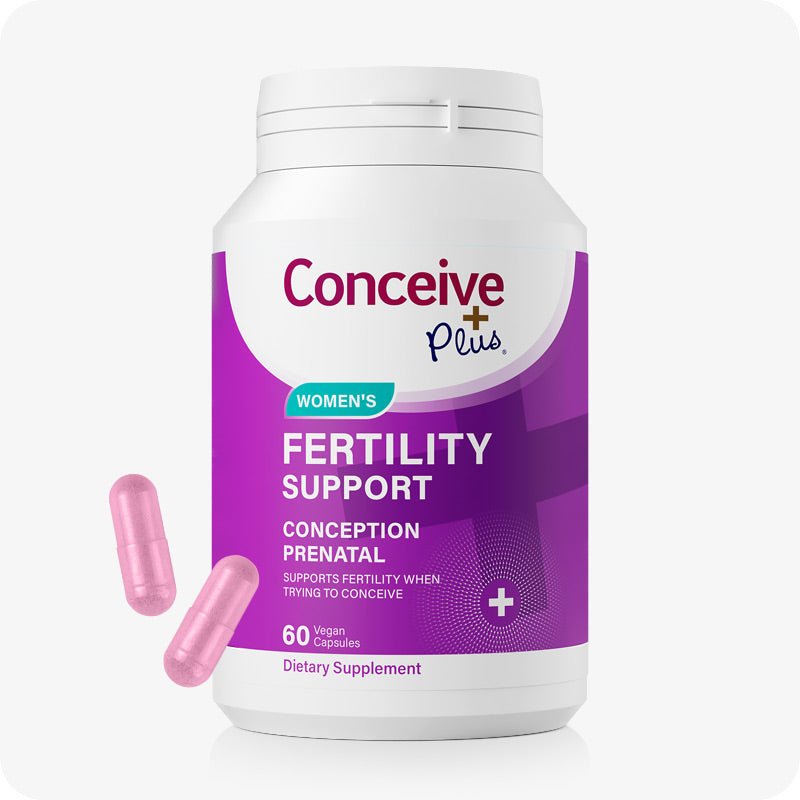
Physically, there is no one-size-fits-all answer; some may feel ready sooner than others. Taking Conceive Plus Women’s Fertility Support, enriched with key ingredients like Myo-inositol, CoQ10, and folate, can help regulate hormones and promote reproductive health during the recovery process. Mental readiness, however, is just as important. Feelings of anxiety or fear about another pregnancy are entirely normal, and counseling can help manage these emotions. By discussing the timeline openly with their healthcare provider, couples can make a well-informed decision that aligns with their physical health and emotional well-being [2].

Medical Follow-Up and Health Precautions
Medical follow-up is essential to ensure a safe and healthy recovery. After a miscarriage, a healthcare provider typically recommends a follow-up appointment within a week or two to confirm that the body is healing well and that there are no retained tissues, which can lead to complications. This follow-up may include a physical exam, an ultrasound, or blood tests to check hCG (human chorionic gonadotropin) levels, which should return to pre-pregnancy levels within a few weeks [3].
Taking care of one’s health after a miscarriage also involves focusing on self-care practices. Eating a balanced diet, getting adequate rest, and engaging in gentle physical activity can support recovery. Avoiding alcohol, caffeine, and smoking during this period is also generally recommended, as these substances can hinder the healing process.
Recognizing the Broader Impacts and Moving Forward
The impact of miscarriage can extend beyond the immediate family, influencing relationships, work, and overall quality of life. It's not uncommon for couples to feel isolated or misunderstood by those who haven't experienced a similar loss. Finding ways to remember and honor the pregnancy—such as through rituals, journal-keeping, or planting a memorial tree—can be a meaningful step in moving forward.
For individuals who find themselves in need of additional support, options such as therapy or counseling focused on grief can be incredibly beneficial. Addressing the emotional and mental toll of miscarriage is as important as physical recovery, if not more so. It is essential to acknowledge feelings, seek understanding, and allow time for healing.
Understanding what happens after a miscarriage on all levels—physical, emotional, and psychological—can empower those who experience this type of loss to process it at their own pace. Every recovery journey is unique, and there is no “right” way to heal. Finding a path that brings comfort, support, and hope is key to navigating this difficult experience and, ultimately, finding a sense of peace.
Research
- Schliep KC, Mitchell EM, Mumford SL, Radin RG, Zarek SM, Sjaarda L, Schisterman EF. Trying to Conceive After an Early Pregnancy Loss: An Assessment on How Long Couples Should Wait. Obstet Gynecol. 2016 Feb;127(2):204-12. https://pmc.ncbi.nlm.nih.gov/articles/PMC4780347/
- Sundermann AC, Hartmann KE, Jones SH, Torstenson ES, Velez Edwards DR. Interpregnancy Interval After Pregnancy Loss and Risk of Repeat Miscarriage. Obstet Gynecol. 2017 Dec;130(6):1312-1318. https://pmc.ncbi.nlm.nih.gov/articles/PMC5709156/
- L A Linehan, I San Lazaro Campillo, M Hennessy, C Flannery, K O’Donoghue, Reproductive outcomes following recurrent first-trimester miscarriage: a retrospective cohort study, Human Reproduction Open, Volume 2022, Issue 4, 2022, hoac045, https://doi.org/10.1093/hropen/hoac045
🌱 Get Answers Early
Millions of women trust Conceive Plus for their fertility journey. Clinically validated pregnancy tests delivered to your door.
Shop Pregnancy Tests →Frequently Asked Questions
Recommended by Fertility Experts
Conceive Plus PCOS Range
A targeted nutritional approach to support hormonal balance and reproductive health for women with PCOS.
Shop Now →How soon can I try to conceive after a miscarriage?
The American College of Obstetricians and Gynecologists (ACOG) states that you can attempt to conceive immediately after a miscarriage, as there is no medical evidence that waiting improves outcomes for most women. However, many healthcare providers recommend waiting until you've had at least one normal menstrual cycle to better establish your due date in a future pregnancy. It's best to discuss your individual situation with your fertility doctor or OB-GYN, as factors like the type of miscarriage and your overall health may influence this recommendation.
What are signs of complications after a miscarriage that require emergency care?
You should seek immediate medical attention if you experience signs of infection (fever over 100.4°F), excessive bleeding (soaking through two or more pads per hour for two consecutive hours), severe abdominal or pelvic pain, foul-smelling vaginal discharge, or signs of incomplete miscarriage such as tissue passage with continued heavy bleeding. These symptoms may indicate infection, retained tissue, or other complications that require professional evaluation and treatment to prevent serious health issues.
Does insurance typically cover mental health counseling after a miscarriage?
Most major U.S. health insurance plans, including those compliant with the Affordable Care Act, are required to cover mental health services at parity with physical health care. Coverage for counseling or therapy following a miscarriage is typically included, though your specific benefits depend on your plan's deductible, copay, and whether you see in-network providers. It's recommended to contact your insurance carrier directly to understand your coverage and ask about grief counseling or therapist referrals specializing in pregnancy loss.
Are there fertility testing recommendations after recurrent miscarriages?
The American Society for Reproductive Medicine (ASRM) recommends comprehensive evaluation after two or more consecutive miscarriages, which may include chromosomal testing, blood work to assess hormone levels and clotting disorders, uterine imaging, and sometimes genetic counseling. Testing typically begins with your OB-GYN or a reproductive endocrinologist and may involve karyotyping of fetal tissue if available. Early evaluation can help identify treatable causes and inform your path forward.
What should I tell my partner or family members about my miscarriage?
There's no single right way to share your loss—it's entirely your choice whom to tell and how much detail to share based on your comfort level and support needs. Many people find it helpful to tell close family and trusted friends who can provide emotional support, while keeping the information private from others until you're ready. Consider preparing a brief, honest statement in advance so you can communicate your loss on your own terms without feeling pressured to explain details you're not ready to discuss.
How do I know if I'm experiencing depression versus normal grief after a miscarriage?
While grief after miscarriage is completely normal, depression may be present if you experience persistent sadness, loss of interest in activities, significant changes in sleep or appetite, difficulty concentrating, or thoughts of harming yourself lasting more than two weeks. The intensity and duration of emotions can help distinguish grief from clinical depression, though the two can coexist. If you're concerned about your mental health, speaking with a healthcare provider or mental health professional can help you receive appropriate support and determine if treatment is needed.
Are there lifestyle changes or supplements that can help prevent future miscarriages?
While no supplement can guarantee prevention, some evidence suggests that prenatal vitamins with folic acid, maintaining a healthy BMI, avoiding smoking and excessive alcohol, managing stress, and treating underlying conditions like PCOS or thyroid disorders may support pregnancy health. However, many miscarriages result from chromosomal abnormalities beyond lifestyle control, and the most important step is consulting with a fertility specialist or reproductive endocrinologist who can identify any modifiable risk factors specific to your situation. They can provide evidence-based recommendations tailored to your medical history.
Trusted by Couples in Over 70 Countries
Take Control of Your Reproductive Health With PCOS
Living with PCOS presents unique challenges on the path to conception. Conceive Plus PCOS range is formulated with key nutrients to help support hormonal balance and a healthy cycle, empowering you on your fertility journey.
Explore the PCOS Range →