9 Signs You Might Be Super Fertile


If you pay attention, your body tells a lot about your health and fertility. It shows various physical symptoms as clues that can show you might be super fertile. Read on to know some of those signs.
1. Periods are right on schedule
Getting your periods right on schedule depicts that you might be the super fertile one. This fixed pattern indicates that you are ovulating every month. However, a fact here deserves a mention is that naturally, menstrual cycle depicts fertility not the one that is caused by birth control pills.
2. Healthy Diet
A healthy diet can have countless positive effects on our body. One of the major positive effects is that its effects the fertility of a woman. If you have already opted for a healthier lifestyle and are having healthy meal comprising of all the necessary nutrients; there are higher chances of you being super fertile.
3. Healthy Pelvis
Excessive pains during the menstrual period can weaken your pelvis and thus can reduce the chances of women to get pregnant. However, a healthy pelvis depicts that you have healthy fertility.

✨ Trying to Conceive?
Our Ovulation & Fertility Bundle combines Myo-Inositol with essential vitamins to support healthy hormone balance and regular ovulation.
Shop Now — $55.00✓ Free shipping on orders over $40 | ✓ Trusted by millions of couples worldwide
4. Hormone Production
It is a known fact that hormone production in a lady’s body also affects her ability to get pregnant. If you are hormone production is normal; you fertility level might be quite high.
5. Normal Blood Flow
Although the blood flow during that time of month differs from every woman to woman; but if it isn’t too high or too low; there are greater chances for you to get pregnant and being a fertile lady.
6. PMS Symptoms
The chances of a woman being super fertile get higher if she is having all the PMS symptoms i.e. bloating, cramping and breast tenderness.
7. Breast Size
A question that may arise here in your mind is that what has breast size to do with being fertile? Well, it actually has a connection. Since a well-developed breast size is a testimony of your hormones being in the healthy state hence it can also indicate that you are ready to get pregnant as you are high on fertility.
8. Medical History
If you have a clean medical history and have had a good gynecologist care since the beginning of your sexual activity, you have good chances of being super fertile.
9. Affecting Other’s Periods
The likelihood of a woman being high on fertility enhances even more if they are affecting other women’s period. You may have witnessed your roommate’s period being synced up with you; this might be the effect of your pheromones. Check with the above-mentioned signs before heading to your doctor to know whether you are fertile or not.
Conceive Plus®
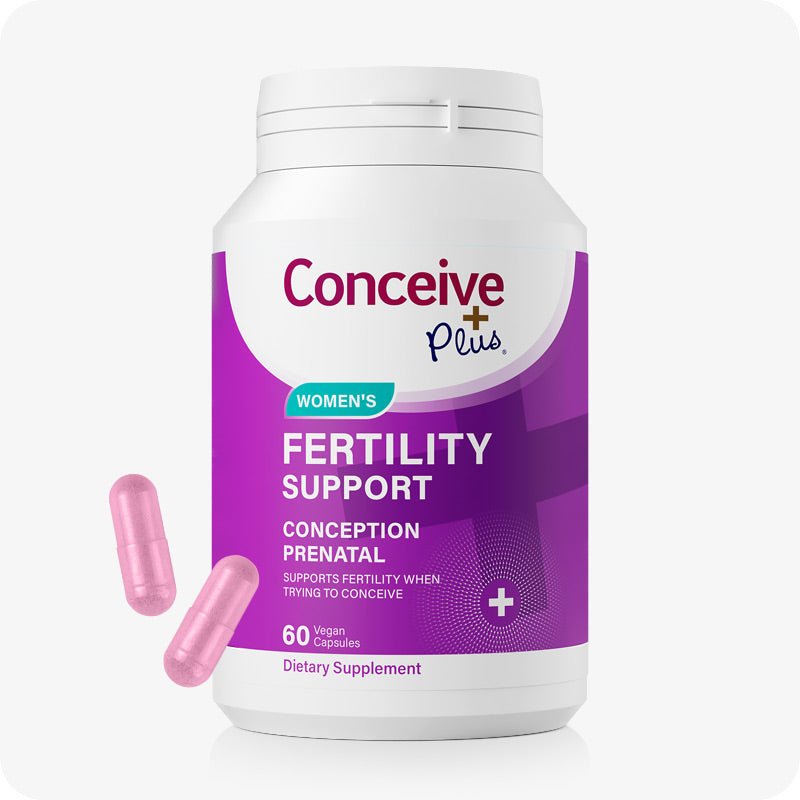
Support your journey to parenthood with Conceive Plus Ovulation Support Myo-Inositol Supplement + Q10 and Ginger. Specially formulated to enhance ovulation and overall reproductive health, this supplement provides 120 capsules of essential nutrients designed to promote regular cycles and improve fertility.
🌱 Support Your Fertility Journey
Conceive Plus fertility supplements are clinically formulated to help regulate your cycle and support egg quality.
Shop Fertility Support →Frequently Asked Questions
Recommended by Fertility Experts
Conceive Plus Men's Fertility Support
Designed to support healthy sperm production, motility, and overall male reproductive health with clinically studied nutrients.
Shop Now →How reliable are these fertility signs for actually getting pregnant?
While these signs can indicate good reproductive health, they're not definitive predictors of fertility. The American Society for Reproductive Medicine (ASRM) recommends that couples trying to conceive for over a year (or 6 months if over 35) get formal fertility testing, which includes semen analysis, ovulation tracking, and imaging studies. Individual fertility varies greatly, and some people with these signs may still experience challenges conceiving.
Should I see a fertility specialist if I have all these signs but still can't get pregnant?
Yes, if you've been trying to conceive for 12 months (or 6 months if you're over 35), the ASRM recommends consulting a fertility specialist regardless of these signs. A reproductive endocrinologist can perform comprehensive testing to identify any underlying issues that aren't apparent from physical signs alone, including male factor infertility or structural problems.
Can birth control pills affect these fertility signs?
Yes, hormonal birth control masks many natural fertility signs because it suppresses ovulation and regulates hormones artificially. If you're trying to assess your fertility, you should discontinue hormonal contraception and wait 2-3 cycles for your natural cycle to return before evaluating these signs. It can take several months for your body to fully regulate after stopping hormonal birth control.
Is there scientific evidence supporting the connection between breast size and fertility?
While breast development is hormone-dependent, breast size alone is not a reliable fertility indicator. Fertility depends on complex hormonal balance involving estrogen, progesterone, FSH, and LH levels—not breast size. A better approach is to work with your healthcare provider to test hormone leve
What should I do to optimize my fertility if I want to get pregnant?
The ASRM recommends maintaining a healthy BMI, eating a nutritious diet, exercising regularly, reducing stress, avoiding smoking and excessive alcohol, and taking prenatal vitamins with folic acid. You should also track your ovulation cycle and have regular gynecologic checkups. If you're over 35 or have been trying to conceive unsuccessfully, schedule a fertility consultation with a reproductive specialist.
Can irregular periods still mean I'm fertile?
Irregular periods can make conception more challenging because they make ovulation timing unpredictable, but they don't necessarily mean you're infertile. Common causes include PCOS, thyroid disorders, or hormonal imbalances—many of which are treatable. If you have irregular periods and want to conceive, consult with your gynecologist or a fertility specialist to identify the cause and discuss treatment options.
Are there fertility tests I can do at home instead of visiting a clinic?
You can use over-the-counter ovulation predictor kits (OPKs) to track your LH surge, which helps identify your fertile window—these are FDA-approved and reasonably accurate. However, comprehensive fertility evaluation requires clinical testing including bloodwork for hormone levels, semen analysis, and sometimes ultrasound or imaging. For a complete fertility assessment, you'll need to visit a fertility clinic or your primary care doctor.
Trusted by Couples in Over 70 Countries
Support Male Fertility From the Inside Out
Male fertility is just as important as female fertility in the conception journey. Conceive Plus Men's range delivers targeted nutritional support to promote healthy sperm and overall reproductive wellbeing.
Shop Men's Range →